
AWS Certified Advanced Networking - Specialty - (ANS-C01) Exam Questions

Preparing for the AWS Certified Advanced Networking - Specialty (ANS-C01) exam requires more than just a theoretical understanding of networking concepts; it necessitates hands-on practice with real-world scenarios. This practice exam is designed to provide you with exposure to 200 questions that reflect the topics and complexity of the actual certification test. By engaging with these questions, candidates can assess their knowledge and identify areas that require further study.
Taking the practice exam not only helps you familiarize yourself with the exam format but also boosts your confidence as you approach the certification. Each question is crafted to challenge your understanding of advanced networking concepts, including connectivity, security, automation, and network optimization within the AWS environment.
Additionally, after completing the practice exam, you will receive insights into your performance, allowing for targeted revision and improved readiness. By simulating exam conditions and reviewing your answers, you can refine your test-taking strategies and develop a clearer understanding of the material required to succeed. This practice exam serves as an essential tool in your preparation journey, enhancing both your knowledge and test-taking skills for the AWS Certified Advanced Networking - Specialty certification.
Welcome to the AWS Certified Advanced Networking - Specialty (ANS-C01) practice questions page. Here, you will find a collection of 200 real exam questions designed to help you assess your knowledge and readiness for the certification exam. This resource is aimed at providing you with a practical means to familiarize yourself with the types of questions you may encounter on the actual test, as well as to identify areas where you may need further study.
To make the most of this resource, review each question carefully and try to answer them without referring to study materials at first. After attempting the questions, check your answers against the provided explanations to understand your reasoning better. This approach will not only reinforce your learning but also give you a clear idea of which topics require more attention.
Here are a few tips to help you pass the AWS Certified Advanced Networking - Specialty exam:
1. **Create a Study Schedule**: Plan a study timetable that covers all relevant topics systematically, ensuring you allocate enough time for each area based on your comfort level with the material.
2. **Hands-On Practice**: Engage with AWS services directly by setting up your own labs. Practical experience with networking components in AWS can significantly enhance your understanding.
3. **Join Study Groups**: Connect with others who are preparing for the same certification. Study groups can provide additional insights, share resources, and motivate you to stay on track.
By utilizing these strategies, you'll be well-equipped to approach the AWS Certified Advanced Networking - Specialty exam with confidence.
Question 1 Multiple Choice
A Network Engineer is setting up DNS failover configuration for Route 53. The engineer needs to use multiple routing policies (such as latency-based and weighted) to configure a more complex DNS failover.
Which of the following are the key points to consider while configuring a failover configuration on Route 53? (Select two)

Question 2 Single Choice
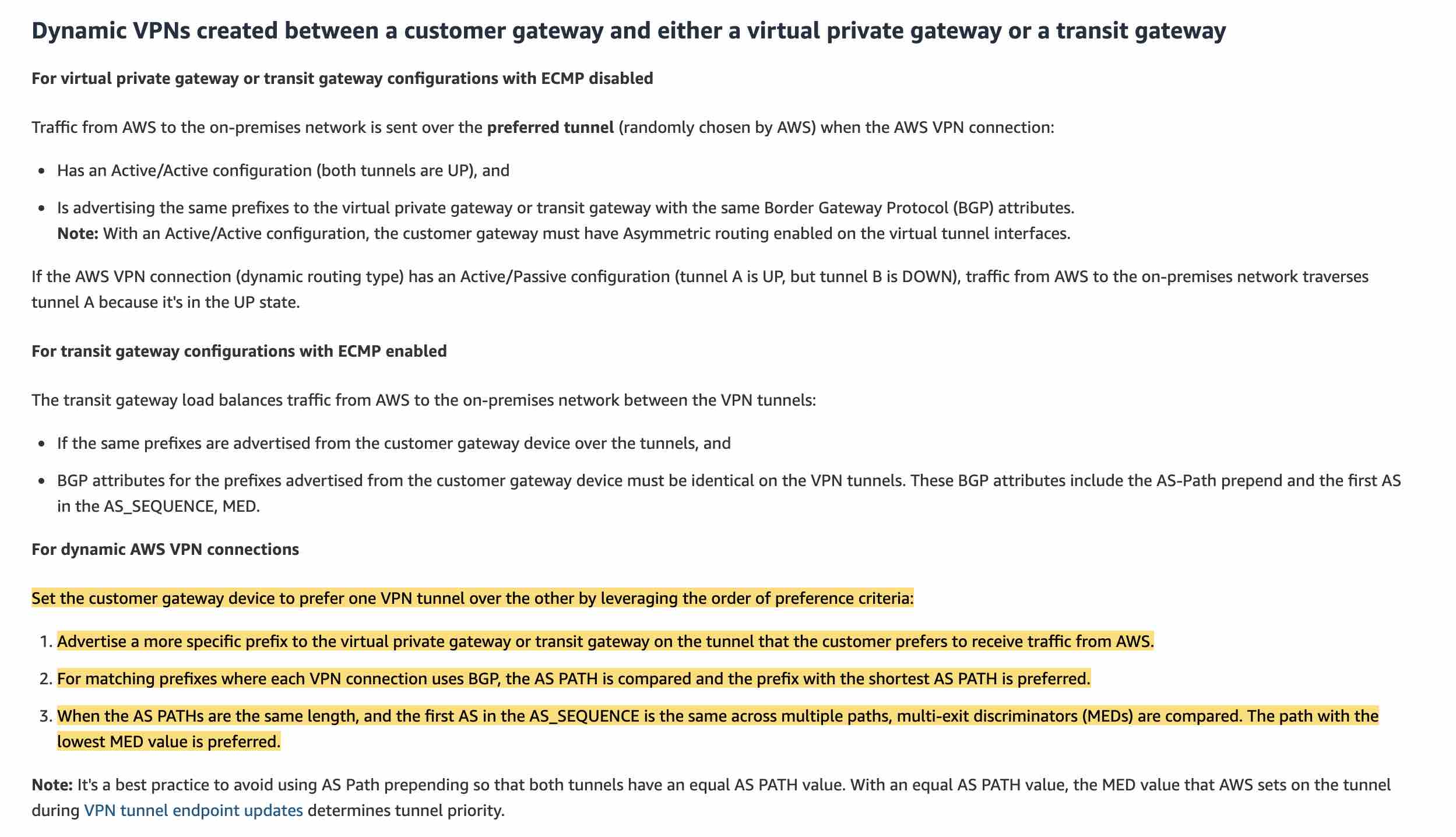
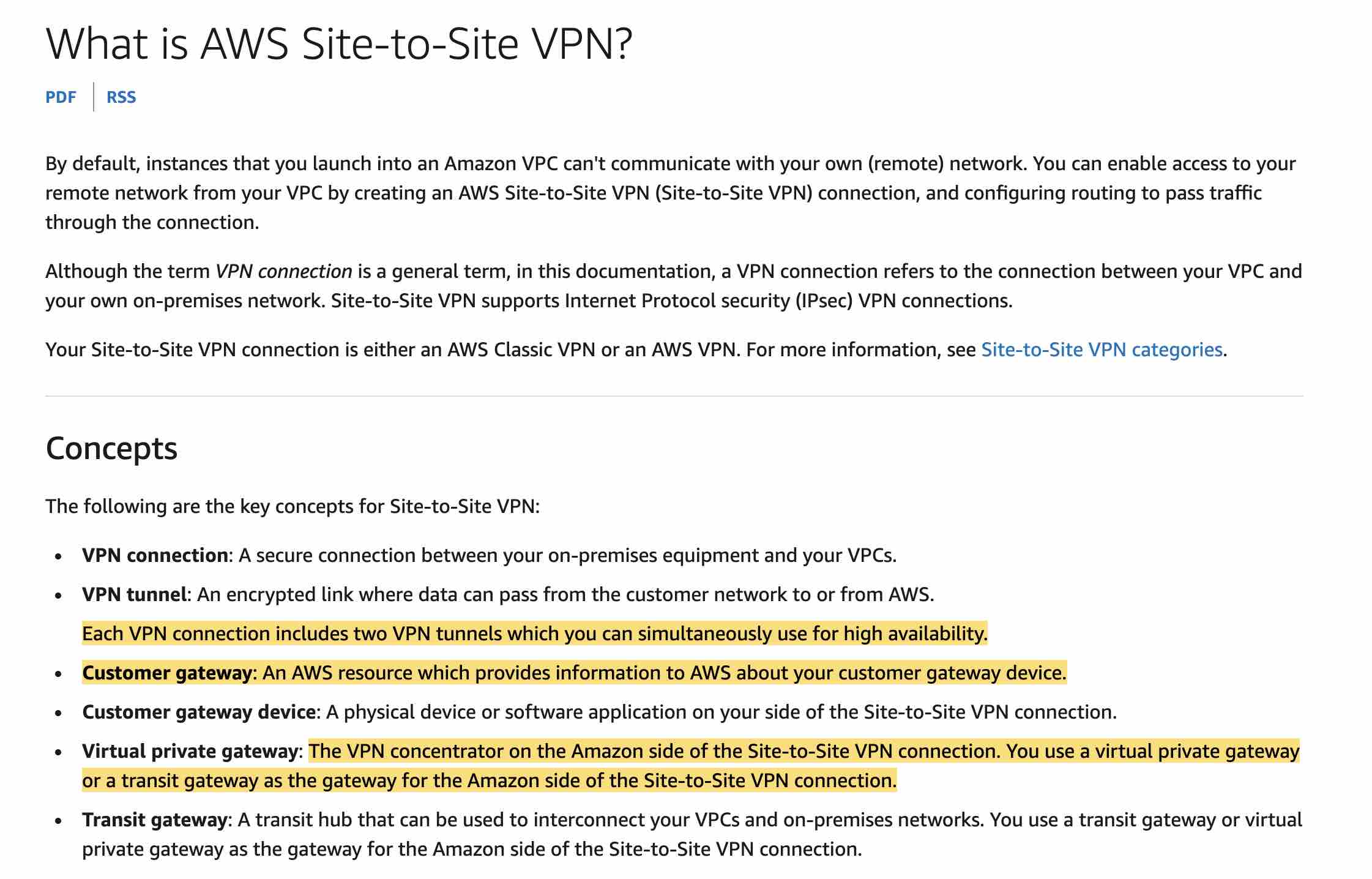
The networking team at a company wants to set up an AWS Site-to-Site VPN connection between its on-premises data center and the AWS Cloud. The VPN connection should use dynamic routing and the team wants to make sure that tunnel A is preferred over tunnel B when sending traffic from AWS to the on-premises network.
Which solution would you recommend for this requirement?
 via -
via - Question 3 Single Choice
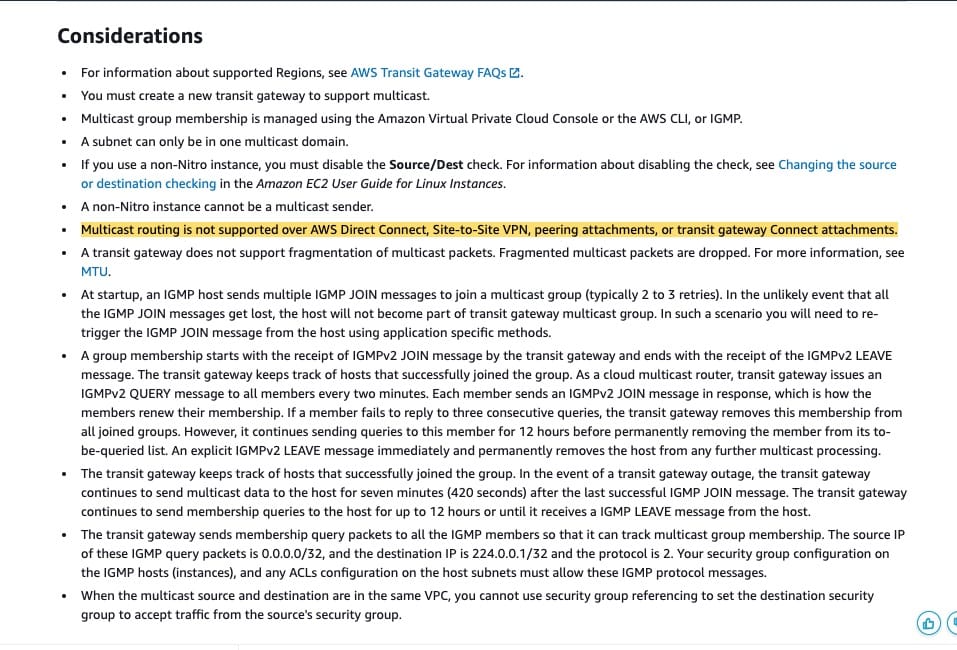
A company has set up a network having two Transit Gateways configured as follows: Transit Gateway 1 is in AWS region 1 and has two VPC attachments connecting to VPC A and VPC B respectively. Transit Gateway 2 is in AWS region 2 and has one Site-to-Site VPN attachment to the corporate network and an AWS Direct Connect connection to the corporate data center. A service discovery application has been proposed that will be added to Transit Gateway 1 and it needs to connect to Transit Gateway 2. To support service discovery multicast traffic will be routed across the network.
As a Network Engineer, which of the following would you identify as the correct option for the given use case?
 via -
via - Question 4 Multiple Choice
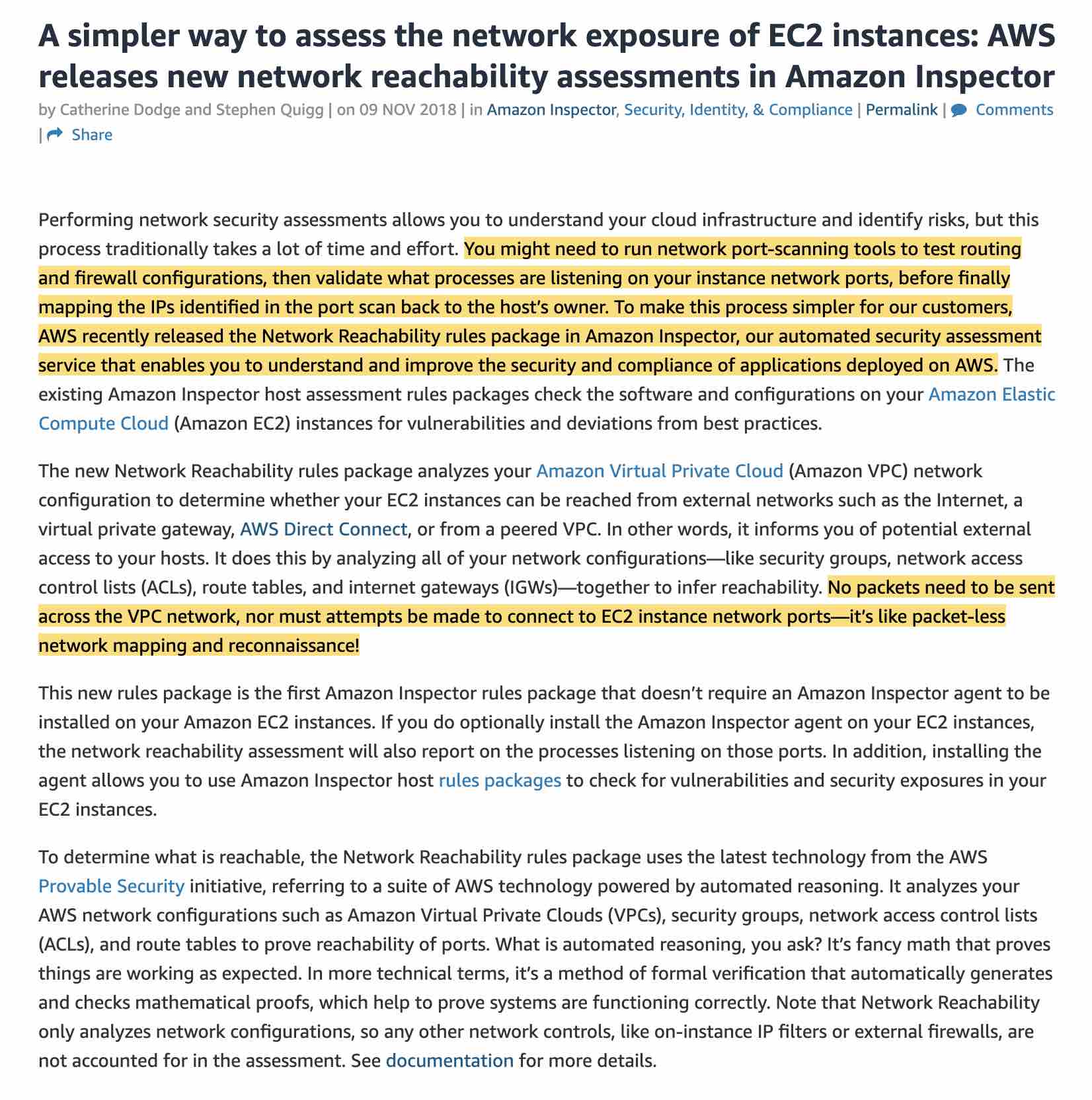
A company has a three-tier web application with separate subnets for Web, Application and Database tiers. The CTO at the company wants to monitor any malicious activity targeting the web application running on EC2 instances. As a network engineer, you have been tasked with developing a solution to notify the network security team in case the network exposure of EC2 instances on specific ports violates the security policies of the company.
Which of the following AWS Services would you use to build such an automated notification system that requires the least development effort? (Select two)
 via
via 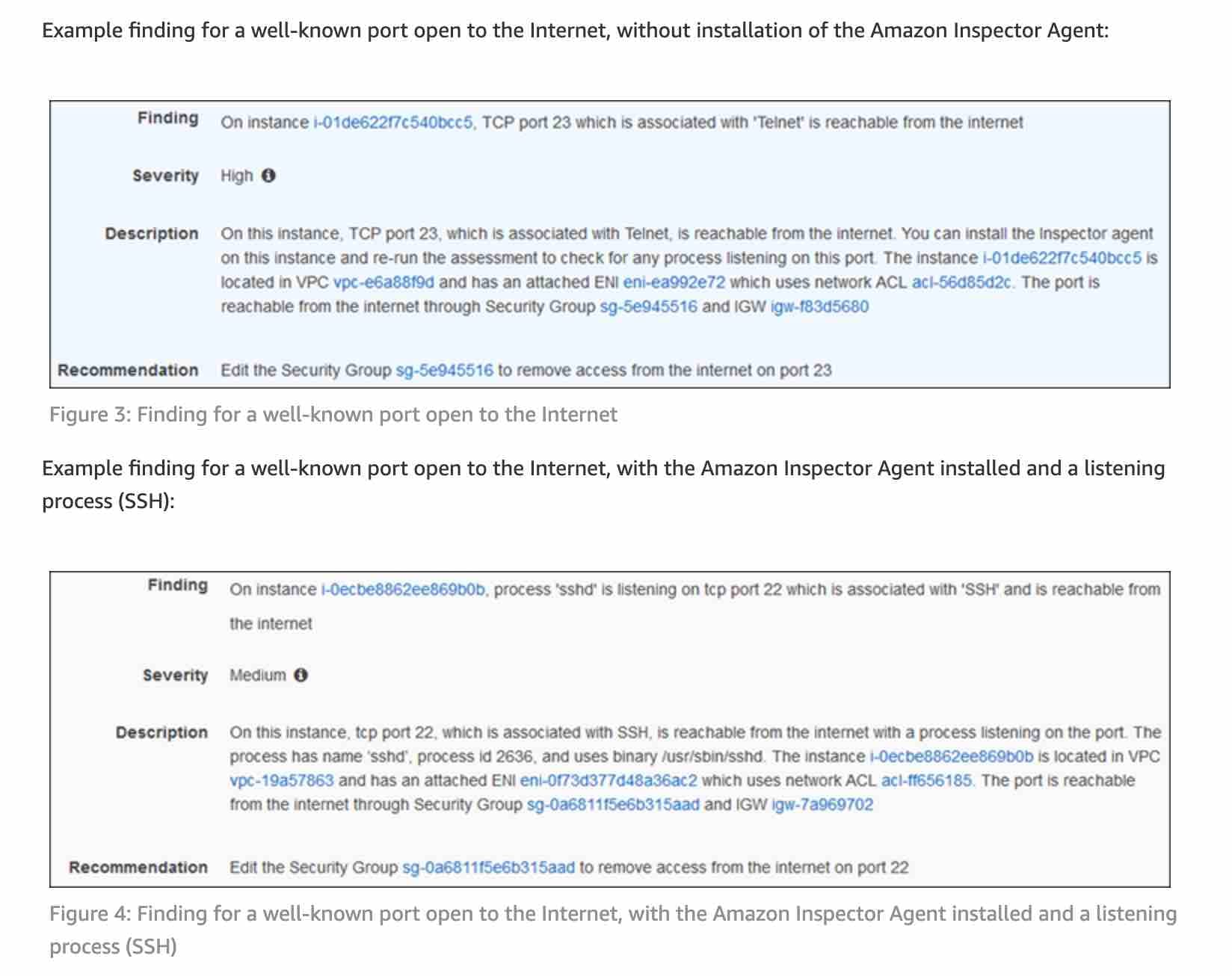 via
via Question 5 Single Choice
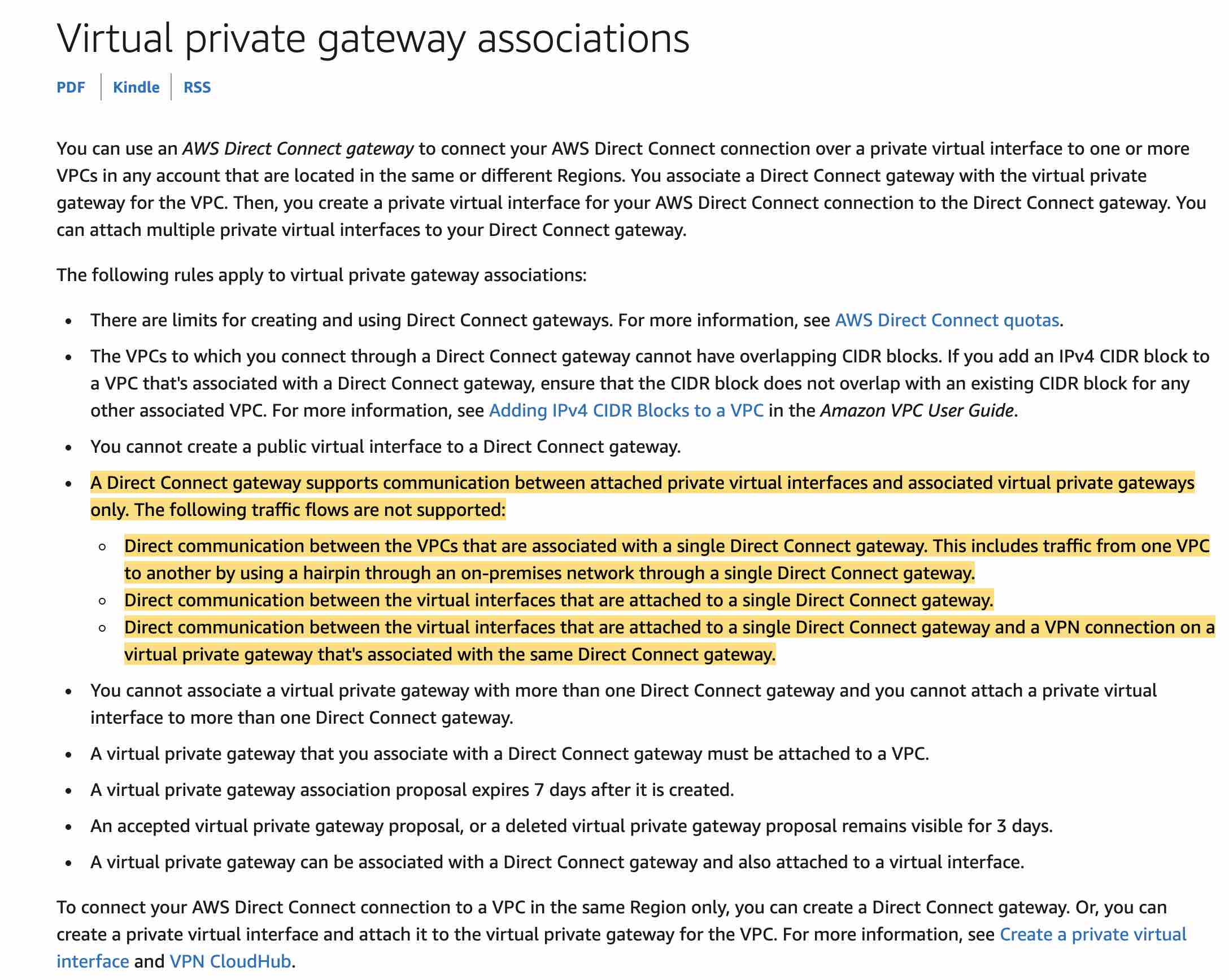
The networking team at a global company has set up separate VPCs for applications managed by the Finance, Marketing, Audit and HR departments. You need to set up AWS Direct Connect to enable data flow from the on-premises data center to each of these VPCs. The company has monitoring software running in the Audit department's VPC that needs to collect metrics from the instances in all the other VPCs.
Due to budget constraints, the data transfer charges should be kept to a minimum. Which of the following solutions would you recommend for the given requirement?
 via -
via - 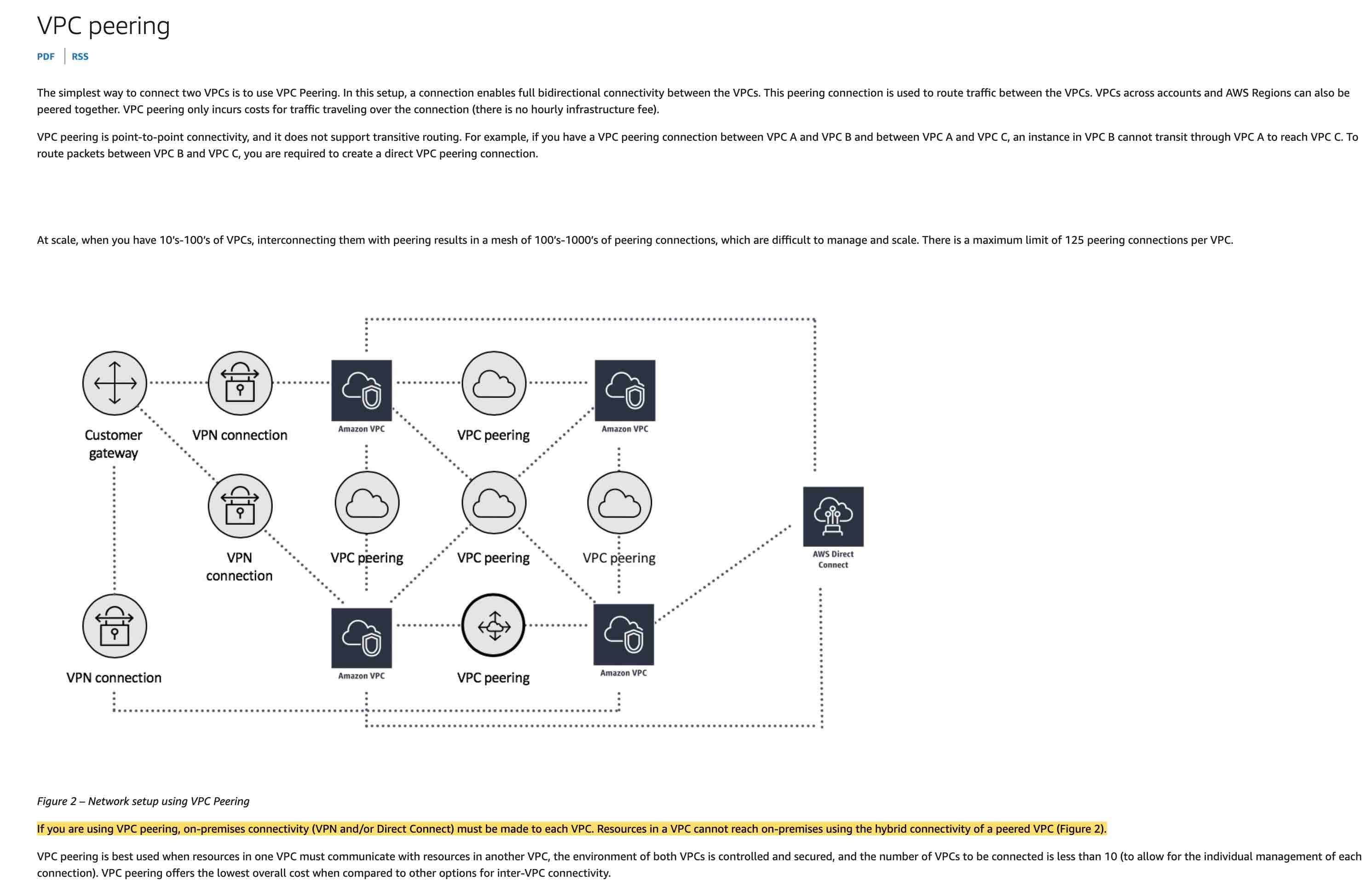 via -
via - 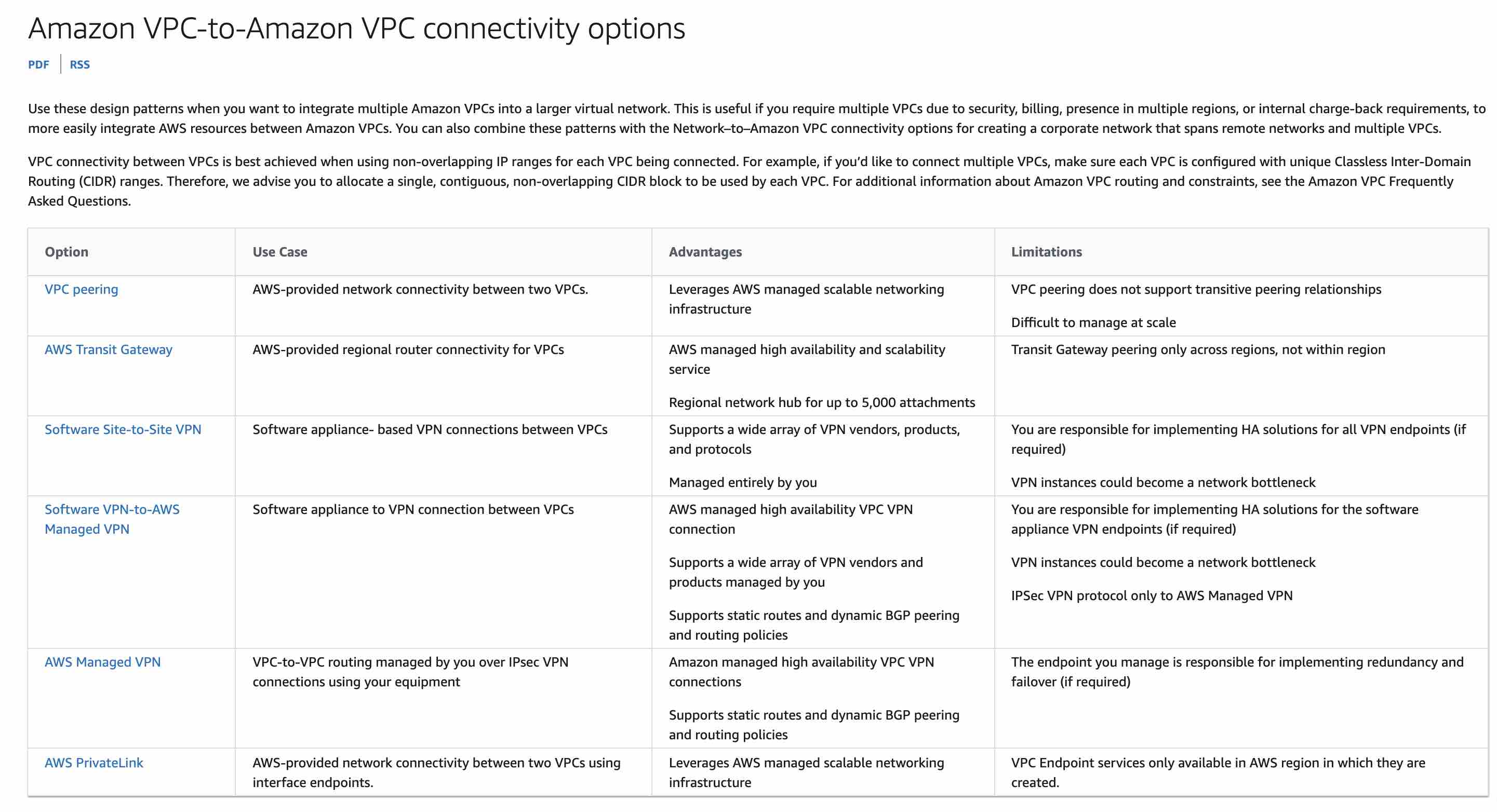 via -
via - Question 6 Single Choice
The networking team at a company wants to set up two AWS Direct Connect connections between its on-premises data center and the AWS Cloud. The Direct Connect connections need to be set up in an Active/Active configuration from a public virtual interface using a public ASN.
As an AWS Certified Networking Specialist, which solution would you recommend for this requirement?
 via -
via - Question 7 Single Choice
A retail company operates its IT infrastructure in a hybrid cloud configuration with the on-premises data center connected to the AWS Cloud via an AWS Site-to-Site VPN connection. The networking team has set up an AWS VPC with a CIDR range of 172.31.0.0/16 and the on-premises network has a CIDR range of 172.31.1.0/24. The VPC's route table also has a propagated route to a virtual private gateway with a destination of 172.31.1.0/24.
Which of the following represents a correct statement regarding the routing for traffic destined to the on-premises network?
 via -
via - 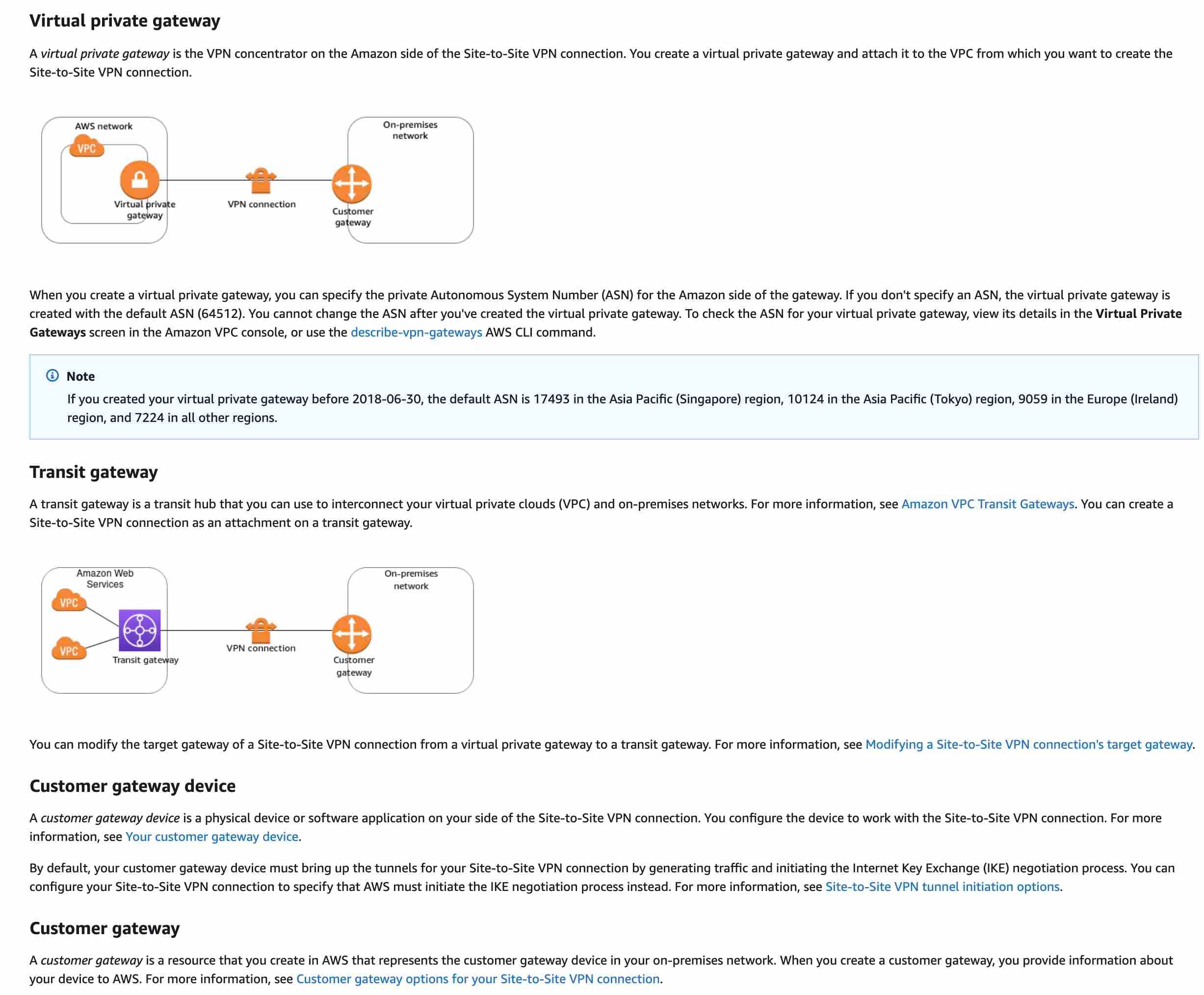 via -
via - 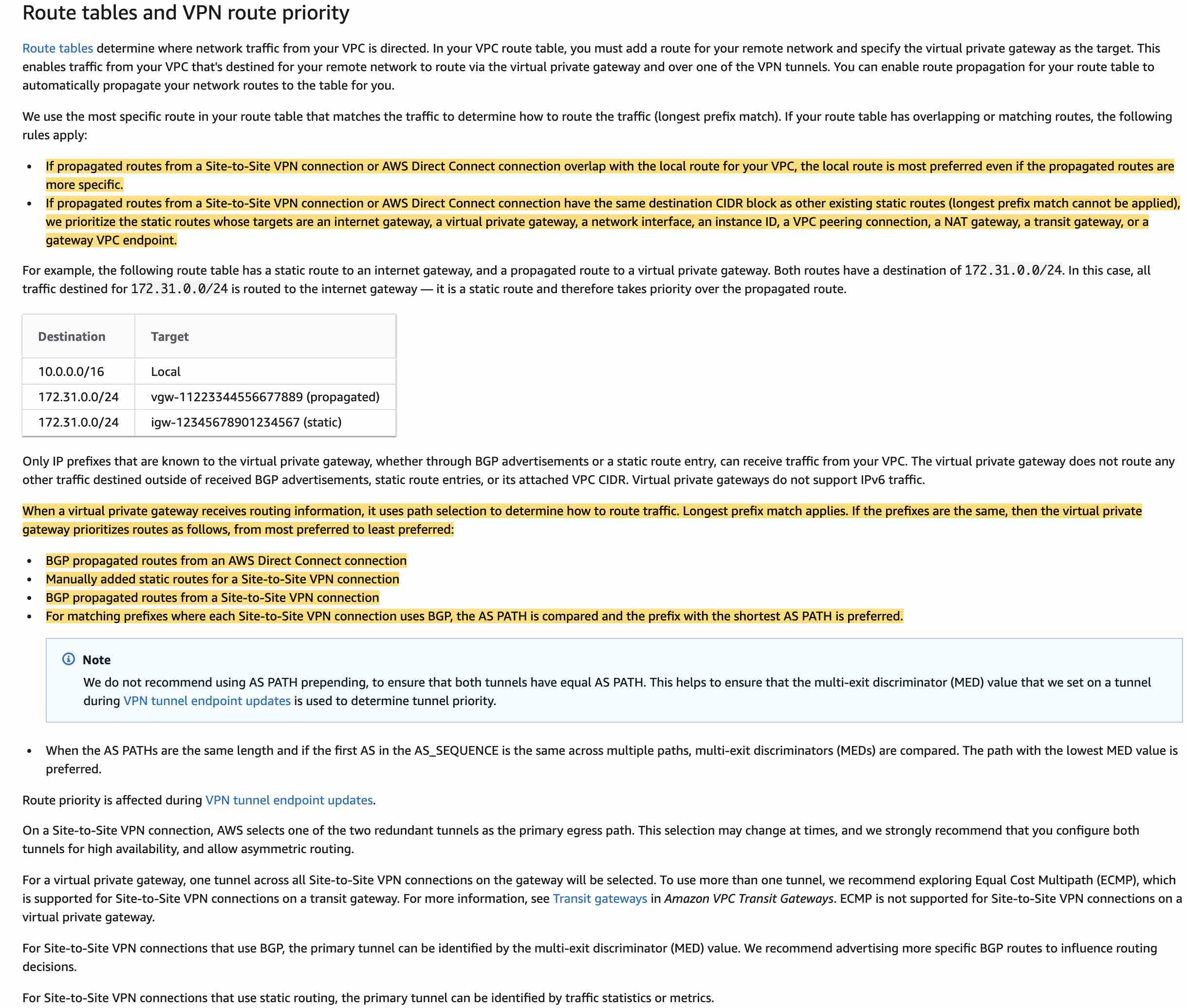 via -
via - Question 8 Multiple Choice
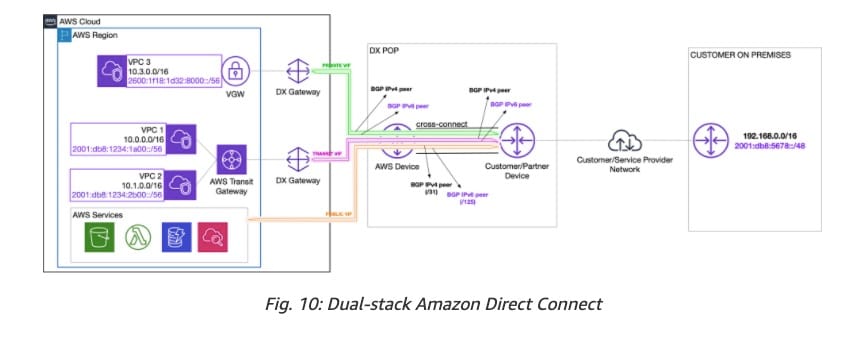
A company has decided to adopt IPv6 for its network. As an intermediary step in the path to fully adopting IPv6, the company is looking for dual-stack IPv4/IPv6 designs. To kickstart the change, the company has picked a straightforward hybrid network that consists of an on-premises connection to AWS over a Site-to-Site VPN connection via a Transit Gateway and an AWS Direct Connect connection between AWS and the on-premises data center.
As a Network Engineer, which of the following measures would you suggest to meet the given requirements? (Select three)
 via -
via - 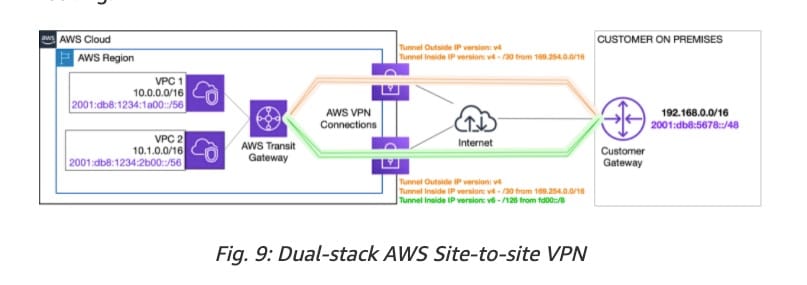 via -
via - 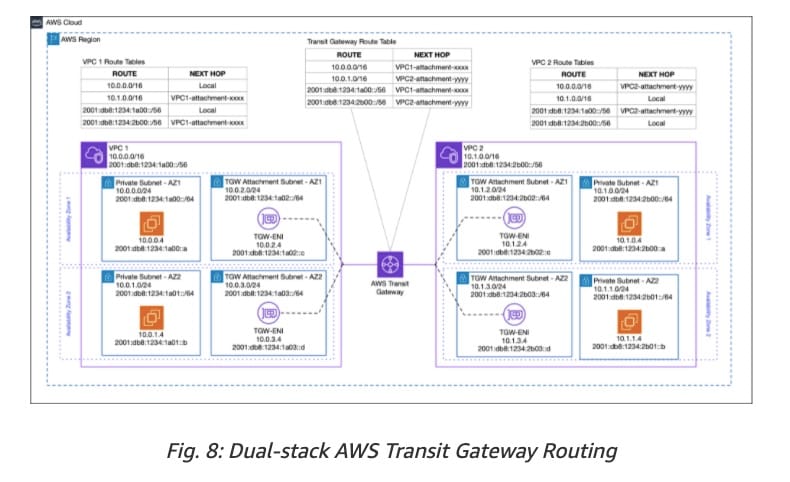 via -
via - Question 9 Multiple Choice
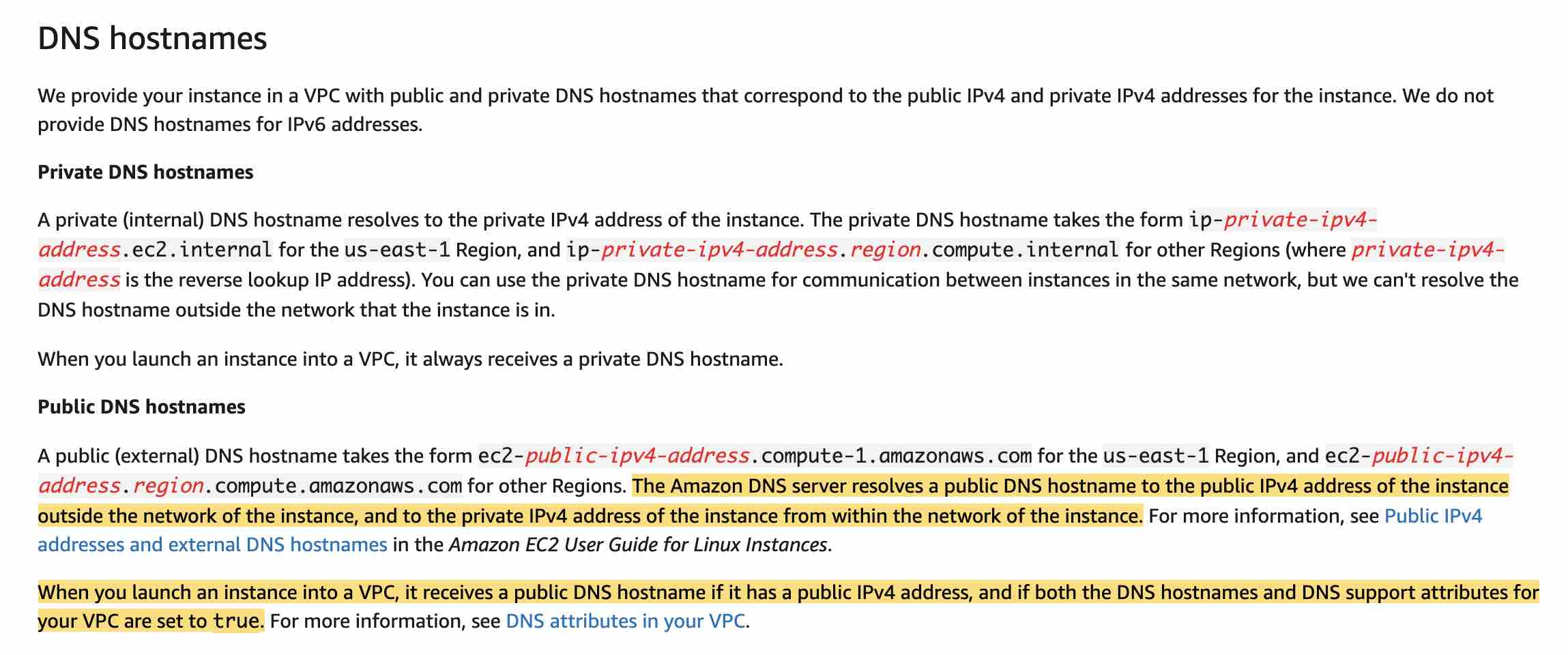
A VPC is deployed with a 10.2.0.0/16 CIDR block. The networking team is reviewing DHCP options, and there is disagreement about the valid DNS addresses available for the VPC.
Which of the following addresses are valid IP addresses provided by Amazon for this scenario? (Select two)
 via -
via - 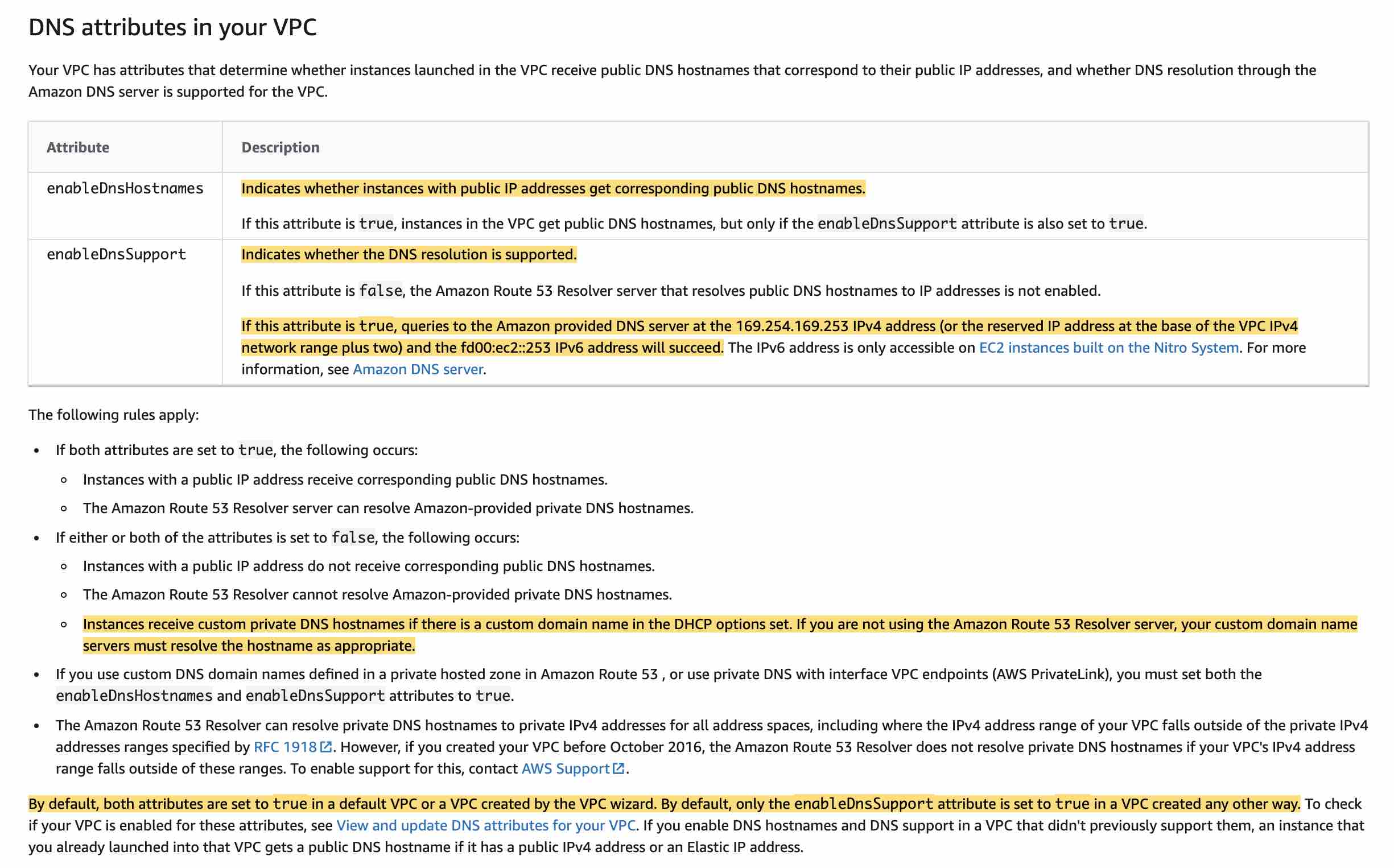 via -
via - 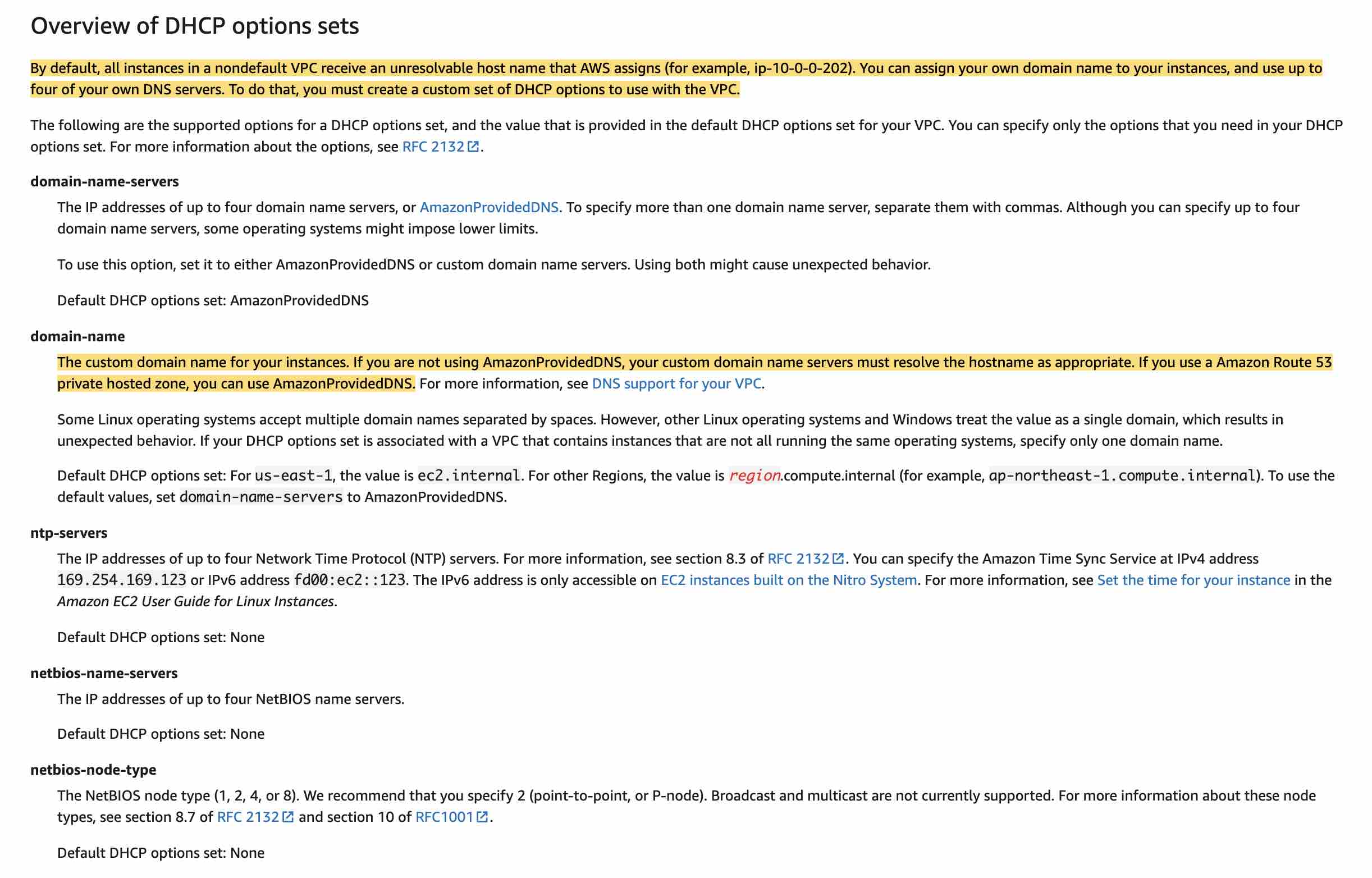 via -
via - Question 10 Single Choice
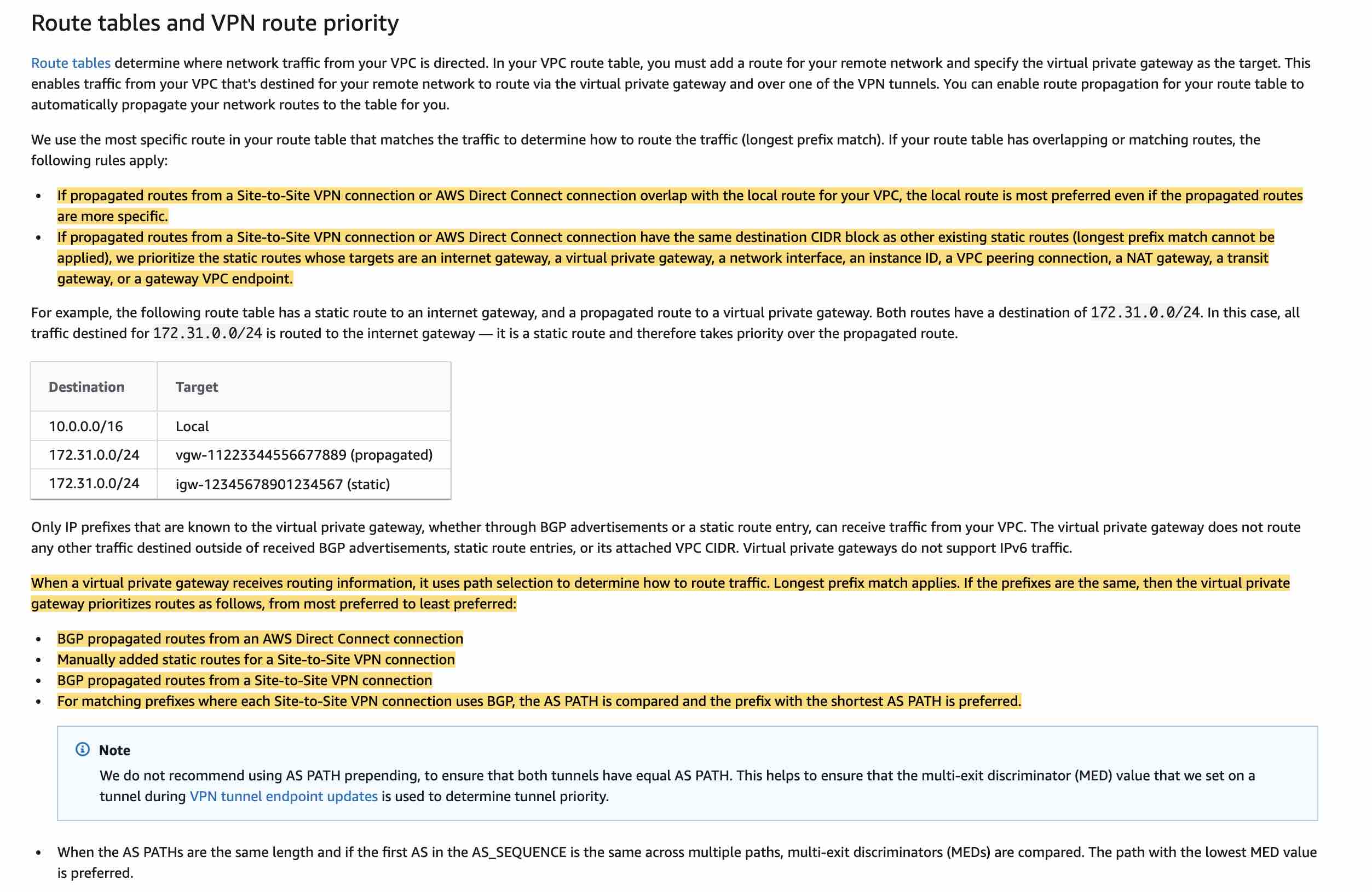
A retail company has set up an AWS Direct Connect connection which includes a private Virtual Interface (VIF) and a VPN connection to the on-premises data center. On the AWS side, the application environment is contained in a VPC and includes a virtual private gateway.
For traffic originating in the VPC, what is the order of BGP path selection from the MOST preferred to the LEAST preferred?
 via -
via - Frequently Asked Questions
How realistic are the practice questions for the AWS Certified Advanced Networking - Specialty exam?
The practice questions are designed to closely mimic the format and difficulty of the actual exam, helping you get familiar with the types of scenarios and concepts you'll encounter.
How should I use the practice questions to prepare for the exam?
Start by taking the practice exam to identify your strengths and weaknesses, then focus on studying the areas where you struggled. Regularly revisit the questions to reinforce your knowledge and track your progress.
How many practice questions should I complete before taking the real exam?
While there's no set number, completing all 200 questions can provide comprehensive coverage of the material, helping to build confidence and ensure you are well-prepared for the exam.
Can I review the explanations for the answers in the practice exam?
Yes, each question includes detailed explanations for both correct and incorrect answers, allowing you to understand the reasoning behind each concept and improve your knowledge.
Is there a time limit for completing the practice exam?
There is no time limit for the practice exam, allowing you to take your time and thoroughly think through each question, much like the approach you should take on the actual exam.