
AWS Certified DevOps Engineer - Professional - (DOP-C02) Practice Questions

As you prepare for the AWS Certified DevOps Engineer - Professional (DOP-C02) exam, taking the practice exam can be a crucial step in your study process. This resource provides you with access to 250 real practice questions that closely mirror those you will encounter on the actual certification test. Engaging with these questions allows you to immerse yourself in the exam format and identify areas where you may need to focus your studies further.
The practice exam serves as an effective self-assessment tool, enabling you to gauge your knowledge and readiness by simulating the test environment. By analyzing your performance, you can pinpoint your strengths and weaknesses, allowing you to adjust your study plan accordingly. Each question reflects the exam's structure and key topics, which can help to refine your understanding of AWS DevOps practices.
Utilizing the practice exam not only boosts your confidence but also familiarizes you with the range of concepts related to AWS DevOps methodologies. Proactively engaging with this material prepares you to approach the certification exam with an informed strategy, enhancing your chances of success.
These are independent practice questions modeled on publicly available objectives; they are not official exam questions and are not endorsed by the certification provider. Explanations are intended to teach the reasoning behind each answer.
Read the exam guide, objectives, prerequisites, and study planWelcome to your essential resource for preparing for the AWS Certified DevOps Engineer - Professional (DOP-C02) exam. On this page, you will find 250 real practice questions designed to reflect the types of scenarios and concepts you may encounter on the actual examination. Each question presents an opportunity to test your understanding and application of key DevOps principles within the AWS ecosystem.
To effectively utilize this question bank, start by assessing your current knowledge base and identifying areas where you may need further review. Engaging with these questions will not only help reinforce your learning but also familiarize you with the exam's structure and style. After answering a set of questions, take time to review the correct answers and explanations, which will enhance your understanding of the material.
For those aiming to pass the AWS Certified DevOps Engineer - Professional exam, here are some study approach tips: First, consider creating a study schedule that allocates time for both theoretical learning and practical hands-on experience with AWS tools. Techniques like setting up your own environment to experiment with services can deepen your understanding. Secondly, incorporate group study sessions or discussions with peers to gain different perspectives and insights, which can help clarify complex topics. Lastly, try to take several timed practice exams to build your confidence and improve your time management skills for the actual test.
Question 1 Multiple Choice
The security policy of a company mandates encrypting all AMIs that the company shares across its AWS accounts. An AWS account (Account A) has a custom AMI that is not encrypted. This AMI needs to be shared with another AWS Account B. Account B has Amazon EC2 instances configured with an Auto Scaling group that will use the AMI. Account A already has an AWS Key Management Service (AWS KMS) key.
As a DevOps Engineer, which combination of steps will you take to share the AMI with Account B while adhering to the company's security policy? (Select two)

 via -
via - Question 2 Single Choice
A company uses an AWS CodePipeline pipeline to deploy updates to the API several times a month. As part of this process, the DevOps team exports the JavaScript SDK for the API from the API Gateway console and uploads it to an Amazon S3 bucket, which is being used as an origin for an Amazon CloudFront distribution. Web clients access the SDK through the CloudFront distribution's endpoint. The goal is to have an automated solution that ensures the latest SDK is always available to clients whenever there's a new API deployment.
As an AWS Certified DevOps Engineer - Professional, what solution will you suggest?
Question 3 Single Choice
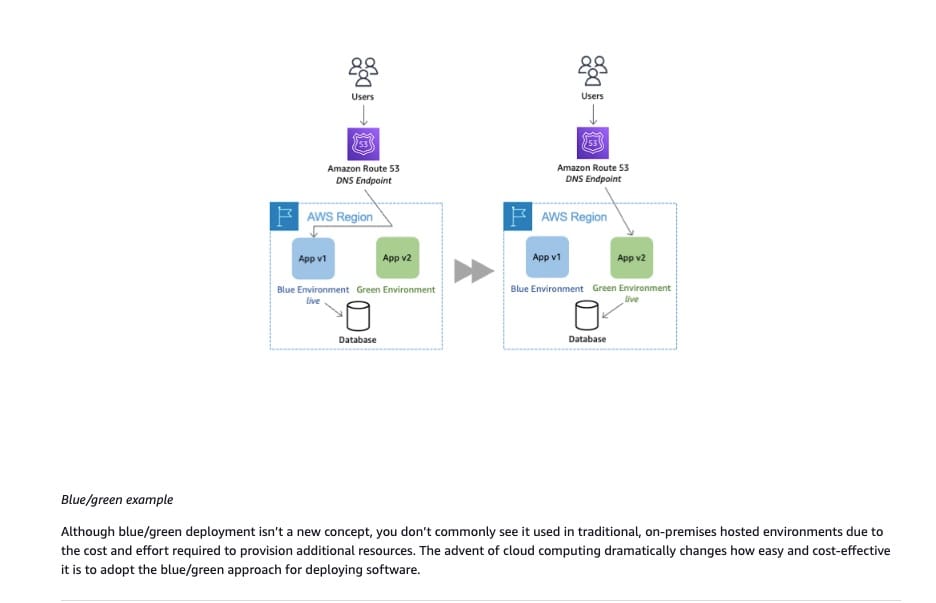
A production support team manages a web application running on a fleet of Amazon EC2 instances configured with an Application Load balancer (ALB). The instances run in an EC2 Auto Scaling group across multiple Availability Zones. A critical bug fix has to be deployed to the production application. The team needs a deployment strategy that can:
a) Create another fleet of instances with the same capacity and configuration as the original one. b) Continue access to the original application without a downtime c) Transition the traffic to the new fleet when the deployment is fully done. The production test team has requested a two-hour window to complete thorough testing on the new fleet of instances. d) Terminate the original fleet automatically once the test window expires.
As a DevOps engineer, which deployment solution will you choose to cater to all the given requirements?
 via -
via - Question 4 Single Choice
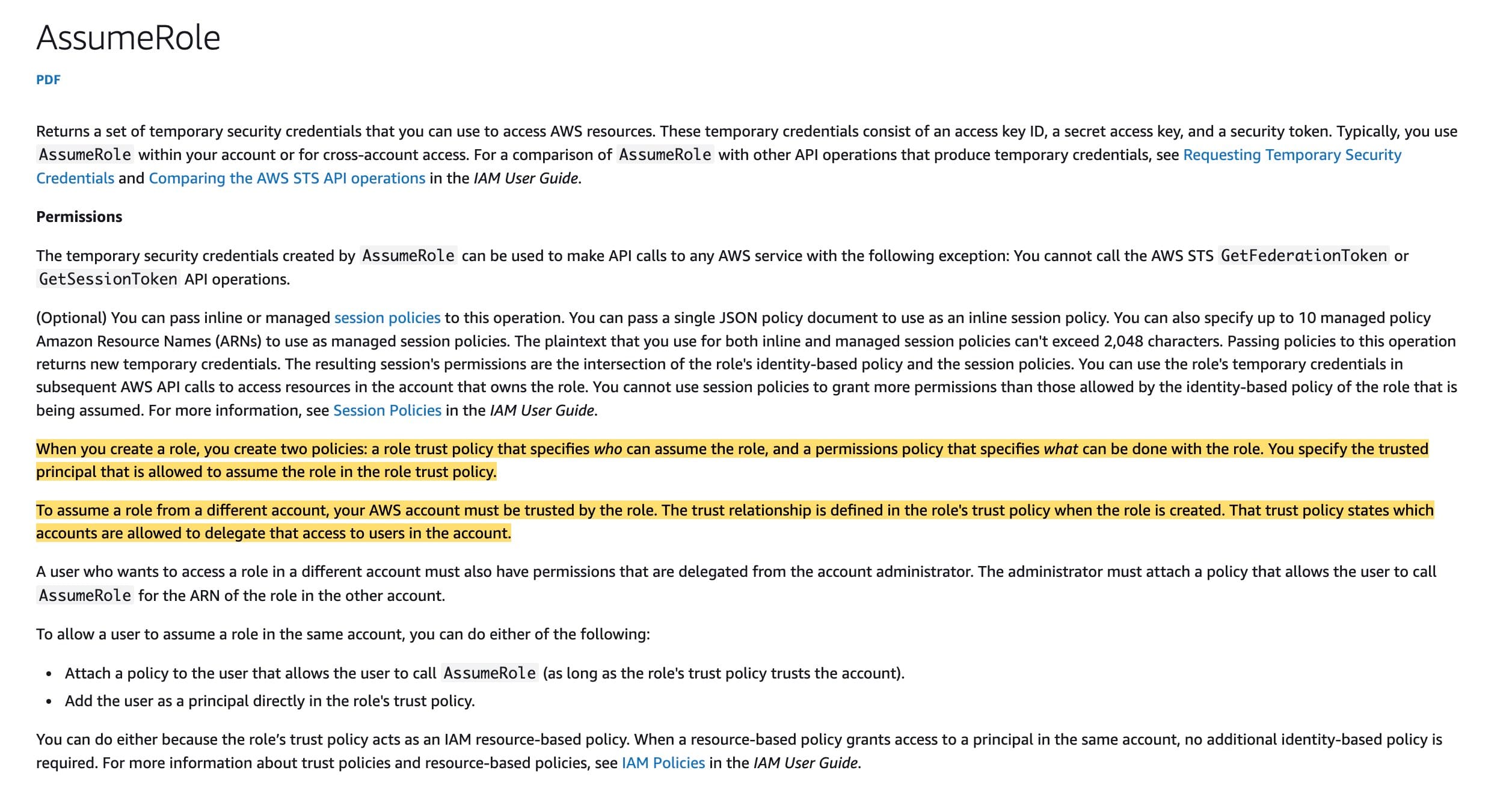
In a multinational company, various AWS accounts are efficiently managed using AWS Control Tower. The company operates both internal and public applications across its infrastructure. To streamline operations, each application team is assigned a dedicated AWS account responsible for hosting their respective applications. These accounts are consolidated under an organization in AWS Organizations. Additionally, a specific AWS Control Tower member account acts as a centralized DevOps hub, offering Continuous Integration/Continuous Deployment (CI/CD) pipelines that application teams utilize to deploy applications to their designated AWS accounts. A specialized IAM role for deployment is available within this central DevOps account.
Currently, a particular application team is facing challenges while attempting to deploy its application to an Amazon Elastic Kubernetes Service (Amazon EKS) cluster situated in their application-specific AWS account. They have an existing IAM role for deployment within the application AWS account. The deployment process relies on an AWS CodeBuild project, configured within the centralized DevOps account, and utilizes an IAM service role for CodeBuild. However, the deployment process is encountering an Unauthorized error when trying to establish connections to the cross-account EKS cluster from the CodeBuild environment.
To resolve this error and facilitate a successful deployment, what solution would you recommend?
 via -
via - Question 5 Single Choice
An e-commerce company is deploying its flagship application on Amazon EC2 instances. The DevOps team at the company needs a solution to query both the application logs as well as the AWS account API activity.
As an AWS Certified DevOps Engineer - Professional, what solution will you recommend to meet these requirements?
Question 6 Multiple Choice
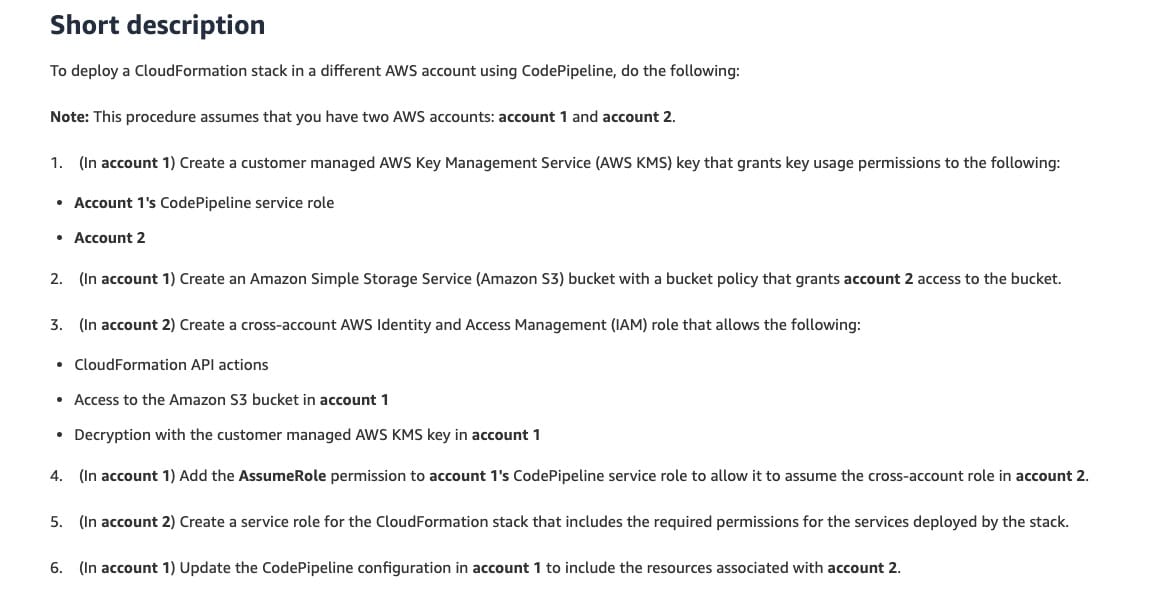
For deployments across AWS accounts, an e-commerce company has decided to use AWS CodePipeline to deploy an AWS CloudFormation stack in an AWS account (account A) to a different AWS account (account B).
What combination of steps will you take to configure this requirement? (Select three)
 via -
via - Question 7 Multiple Choice
An AWS managed cloudformation-stack-drift-detection-check rule is defined in AWS Config for drift detection in AWS CloudFormation resources. The DevOps team is facing two issues:
a) How to detect drifts of Cloudformation custom resources b) Drift status of the stack shows as IN_SYNC in the CloudFormation console, the following is the drift detection error - 'While AWS CloudFormation failed to detect drift, defaulting to NON_COMPLIANT. Re-evaluate the rule and try again. If the problem persists contact AWS CloudFormation support'
As a DevOps Engineer, which steps will you combine to fix the aforementioned issues? (Select two)
 via -
via - Question 8 Single Choice
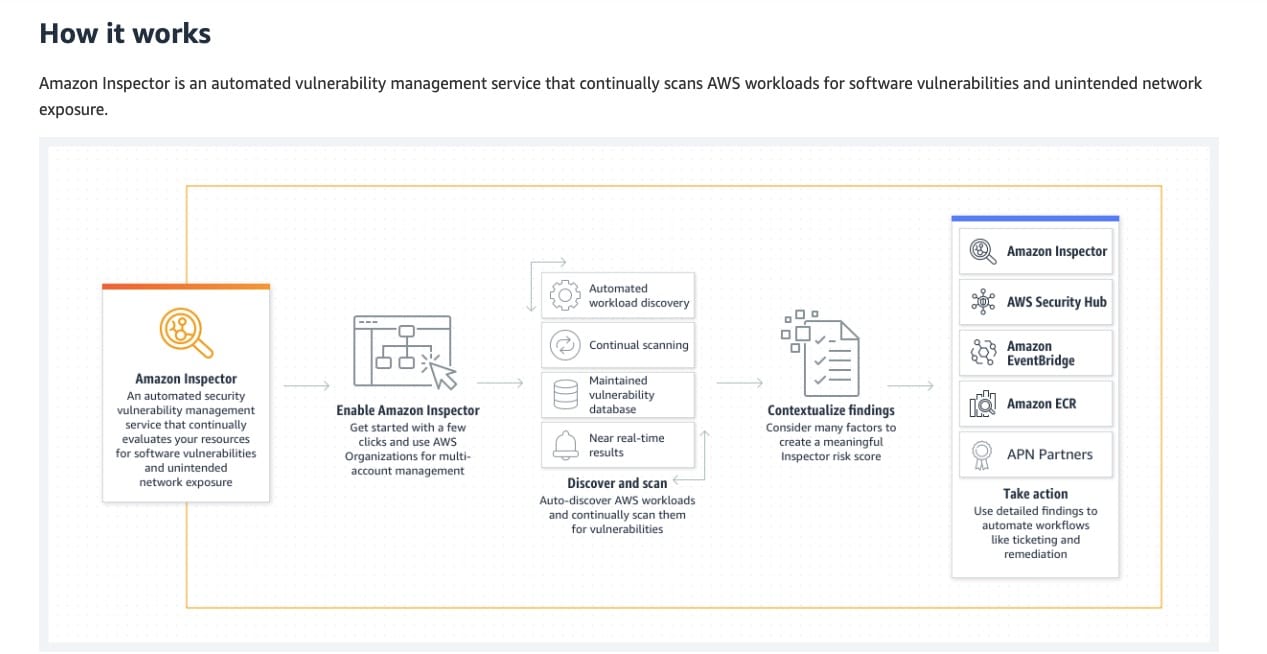
A company hosts all its web applications on Amazon EC2 instances. The company is looking for a security solution that will proactively detect software vulnerabilities and unintended network exposure of the instances. The solution should also include an audit trail of all login activities on the instances.
Which solution will meet these requirements?
 via -
via - Question 9 Single Choice
As a security best practice, a company has decided to back up all of its Amazon Elastic Block Store (Amazon EBS) volumes every week. To implement this change, developers are mandated to tag all Amazon EBS volumes with a custom tag. The company runs an automated solution that reads the custom tag having the value of the desired backup frequency as weekly for each EBS volume and then the solution schedules the backup. However, a recent audit report has highlighted the fact that a few EBS volumes were not backed up as expected because of the missing custom tag.
As a DevOps engineer which solution will you choose to enforce backup for all EBS volumes used by an AWS account?
 via -
via - 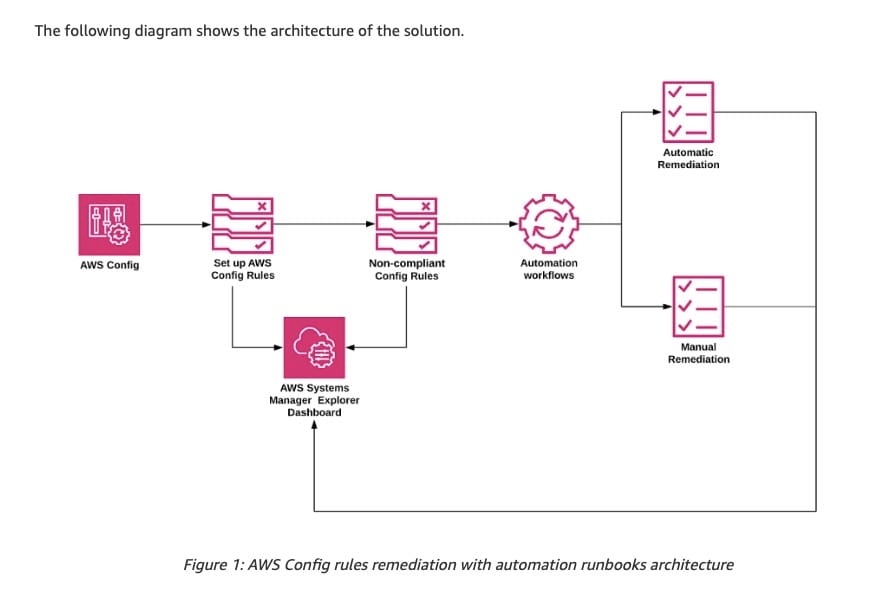 via -
via - Question 10 Single Choice
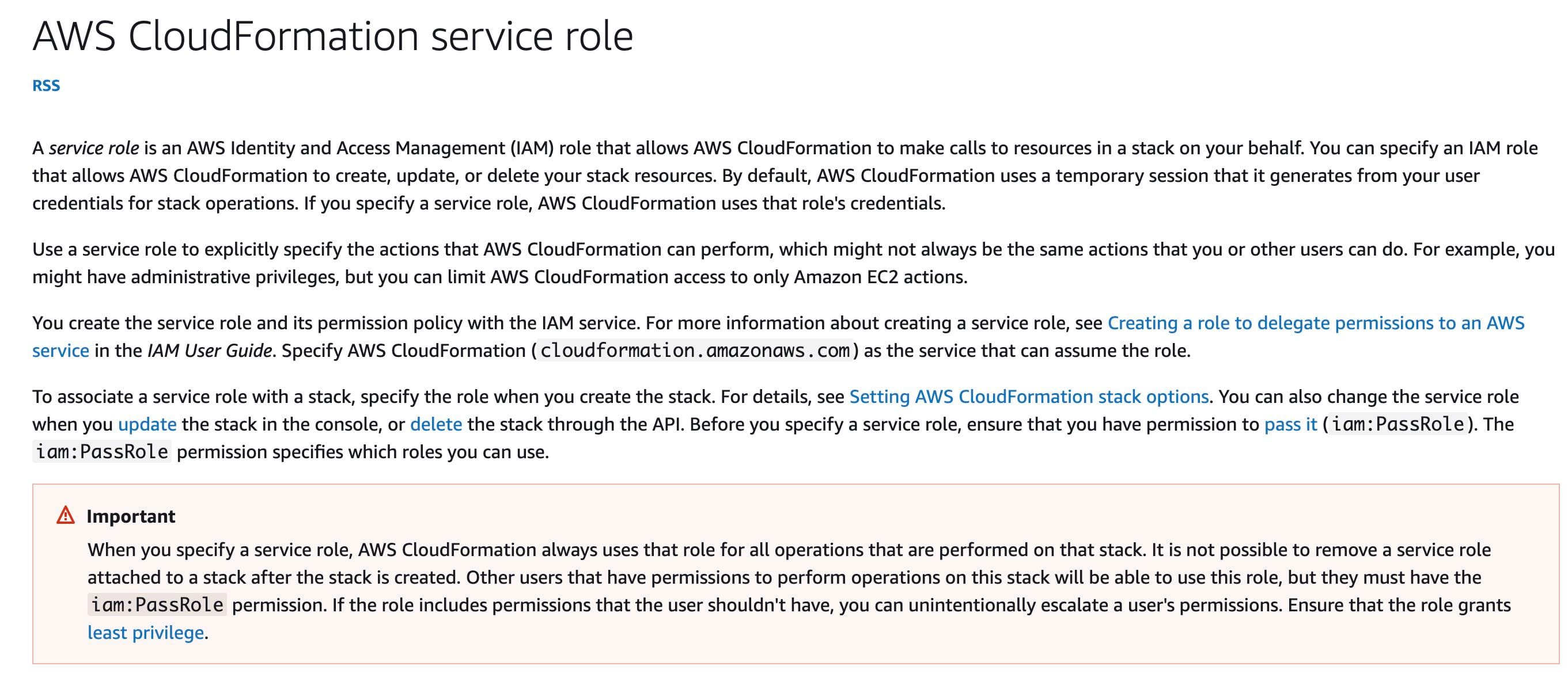
A DevOps Engineer needs to use the AWS CloudFormation stack to deploy an application. But the DevOps Engineer does not have the required permissions to provision the resources specified in the AWS CloudFormation template.
Which solution will allow the DevOps Engineer to deploy the stack while providing the least privileges possible?
 via -
via - Frequently Asked Questions
How realistic are the practice questions for the AWS Certified DevOps Engineer - Professional exam?
The practice questions closely resemble the style and difficulty of actual exam questions, helping you become familiar with the format and the level of detail you can expect on the real test.
How should I use the practice questions to prepare for the exam?
It is recommended to review the explanations for both correct and incorrect answers to deepen your understanding of AWS services and best practices as you progress through the questions.
How many practice questions should I complete before taking the real exam?
Completing at least 200 of the 250 practice questions is advisable to ensure you're well-prepared and have a good grasp of the exam topics.
Can I track my progress with the practice questions?
Yes, many practice exam platforms provide analytics on your performance, allowing you to identify strengths and weaknesses to focus your study efforts more effectively.
What should I do if I struggle with some practice questions?
If you struggle with certain questions, take time to review the relevant AWS documentation and resources to reinforce your understanding before revisiting those questions.