
AWS Certified Machine Learning Engineer - Associate - (MLA-C01) Practice Questions — Page 2

Preparing for the AWS Certified Machine Learning Engineer - Associate (MLA-C01) exam can be a daunting task, but taking the practice exam specifically designed for this certification can significantly enhance your readiness. With access to 715 real practice questions, this exam offers candidates the opportunity to familiarize themselves with the types of inquiries they will encounter in the actual certification test. By working through these questions, you will not only gain exposure to the exam's content but also develop a deeper understanding of the key concepts and skills assessed.
This practice exam serves as an essential self-assessment tool, allowing you to identify your strengths and areas needing improvement. By taking the time to analyze your performance, you can tailor your study strategy more effectively, ensuring that you focus on the topics that require further attention. Engaging with real practice questions also helps to build confidence in your knowledge and test-taking skills, which can be invaluable on exam day. Ultimately, the practice exam is a critical step in your preparation journey, equipping you with the insights necessary to approach the certification exam with assurance and clarity.
These are independent practice questions modeled on publicly available objectives; they are not official exam questions and are not endorsed by the certification provider. Explanations are intended to teach the reasoning behind each answer.
Read the exam guide, objectives, prerequisites, and study planWelcome to the questions-and-answers listing page for the AWS Certified Machine Learning Engineer - Associate - (MLA-C01) exam. Here, you will find a comprehensive collection of 715 real practice questions designed to help you prepare thoroughly for your certification journey. Each question is crafted to mirror the types of inquiries you may encounter during the actual exam, providing you with an opportunity to test your knowledge and identify areas for improvement.
As you navigate through the questions, it's advisable to approach your study routine strategically. Start by categorizing your study material based on the core domains covered in the exam; this will help you focus on your weaker areas while also reinforcing your strengths.
Additionally, practice consistently with these questions while timing yourself to replicate the exam conditions. This will not only enhance your familiarity with the content but also build your confidence and speed in answering questions.
Finally, consider joining study groups or online forums where you can exchange knowledge and insights with other candidates. Discussing topics and sharing resources can significantly enhance your understanding and retention.
With dedication and the right approach, you'll be ready to tackle the AWS Certified Machine Learning Engineer - Associate - (MLA-C01) exam successfully.
Question 11 Single Choice
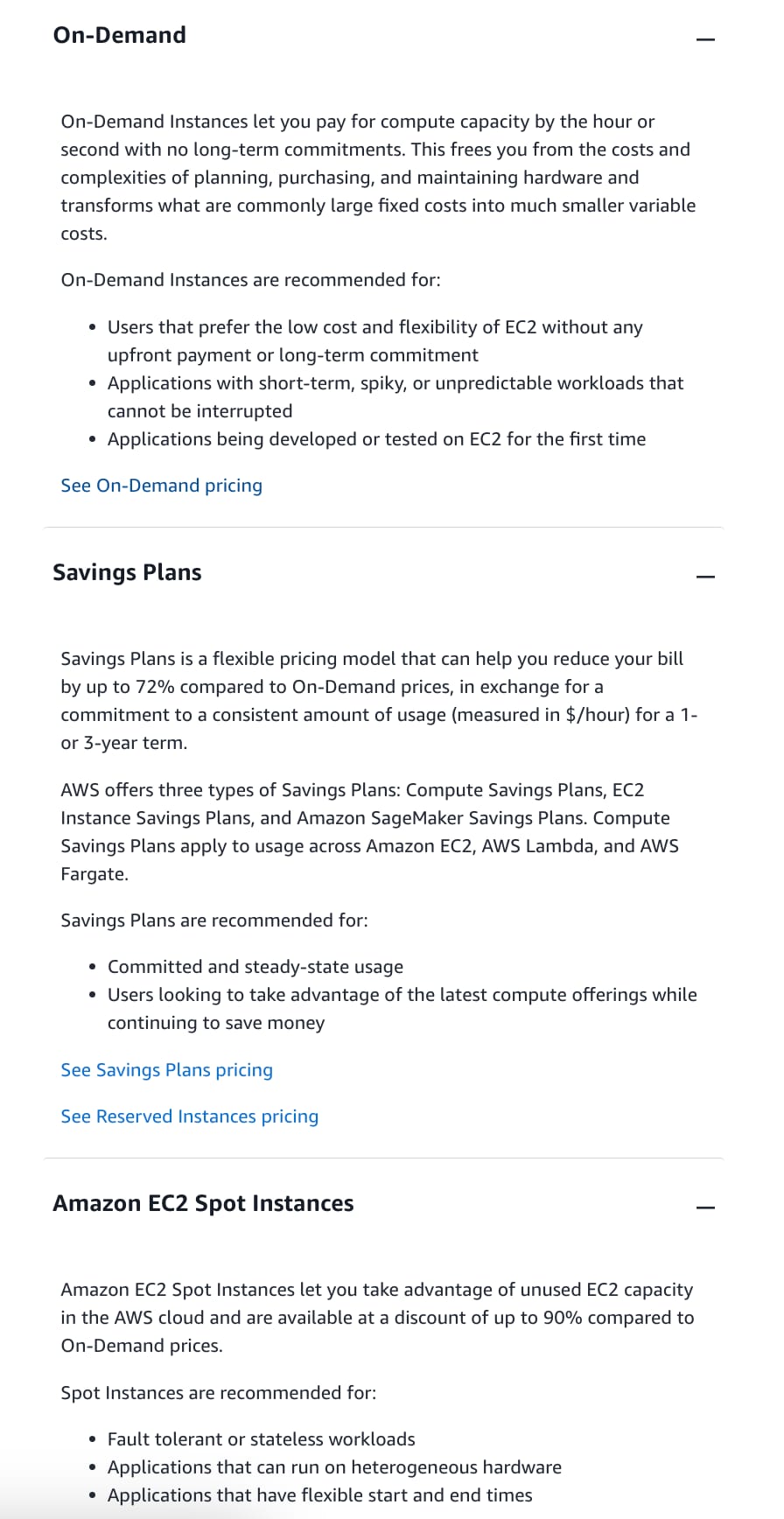
You are an ML engineer at a startup that is developing a recommendation engine for an e-commerce platform. The workload involves training models on large datasets and deploying them to serve real-time recommendations to customers. The training jobs are sporadic but require significant computational power, while the inference workloads must handle varying traffic throughout the day. The company is cost-conscious and aims to balance cost efficiency with the need for scalability and performance.
Given these requirements, which approach to resource allocation is the MOST SUITABLE for training and inference, and why?

 via -
via - Question 12 Single Choice
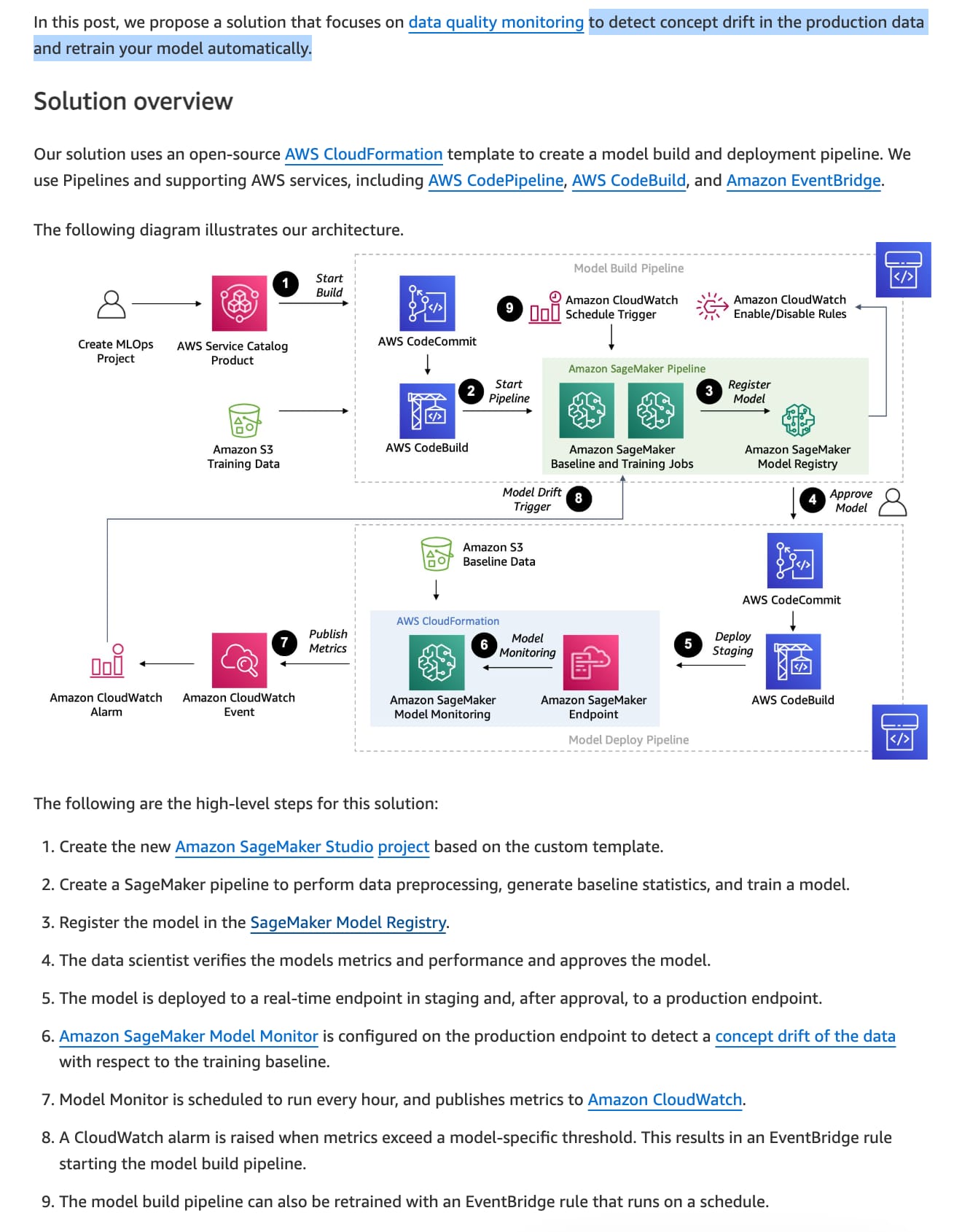
A financial institution has deployed a machine learning model using Amazon SageMaker to predict whether credit card transactions are fraudulent. To ensure model performance remains consistent, the company configured Amazon SageMaker Model Monitor to track deviations in the model accuracy over time. The model's baseline accuracy was recorded during its initial deployment. However, after several months of operation, the model’s accuracy drops significantly despite no changes being made to the model.
What could be the reason for the reduced model accuracy?
 via -
via - Question 13 Single Choice
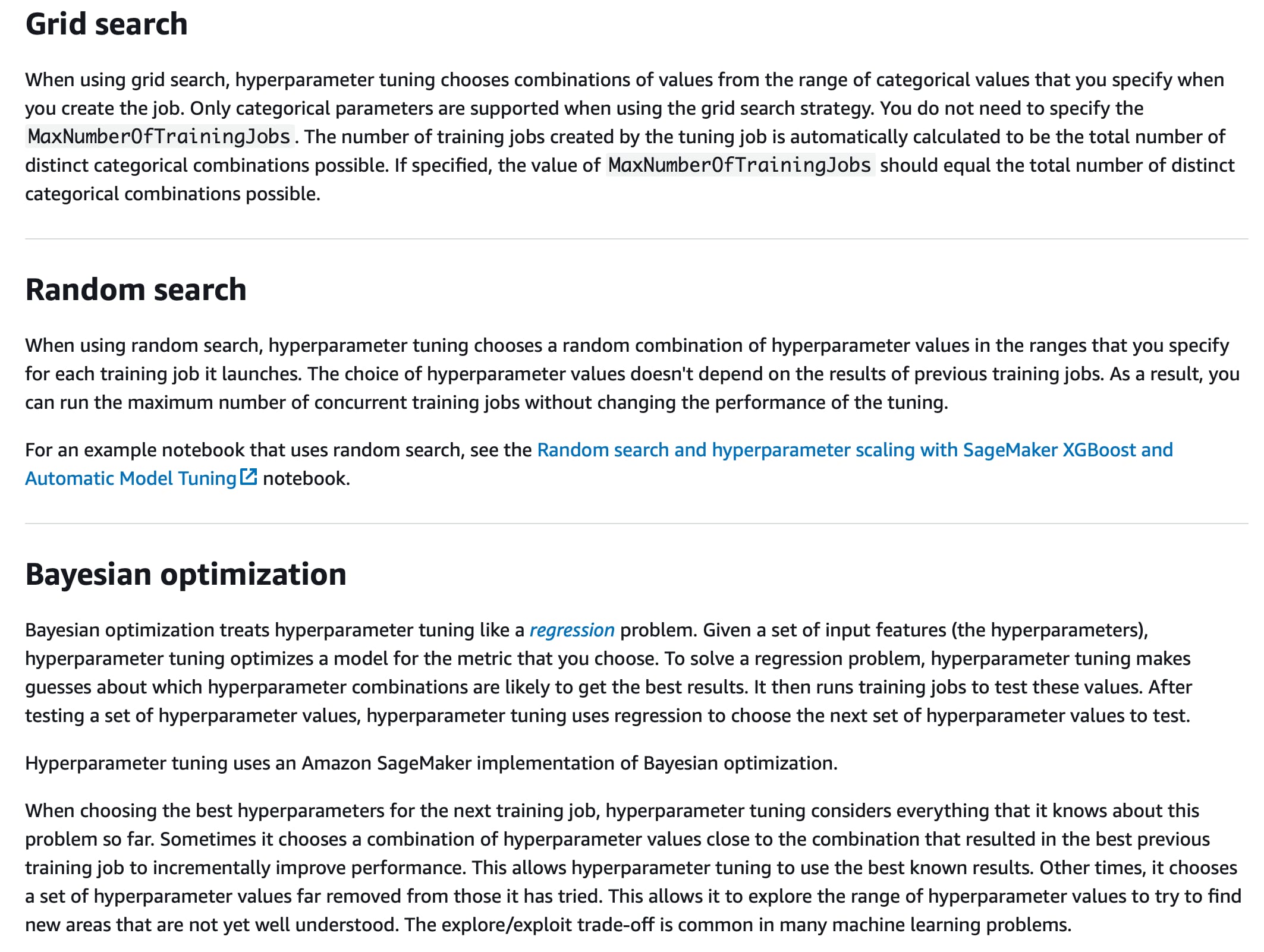
You are tasked with building a predictive model for customer lifetime value (CLV) using Amazon SageMaker. Given the complexity of the model, it’s crucial to optimize hyperparameters to achieve the best possible performance. You decide to use SageMaker’s automatic model tuning (hyperparameter optimization) with Random Search strategy to fine-tune the model. You have a large dataset, and the tuning job involves several hyperparameters, including the learning rate, batch size, and dropout rate.
During the tuning process, you observe that some of the trials are not converging effectively, and the results are not as expected. You suspect that the hyperparameter ranges or the strategy you are using may need adjustment.
Which of the following approaches is MOST LIKELY to improve the effectiveness of the hyperparameter tuning process?
 via -
via - Question 14 Multiple Choice
You are a Data Scientist working for an e-commerce company that is developing a machine learning model to predict whether a customer will make a purchase based on their browsing behavior. You need to evaluate the model's performance using different evaluation metrics to understand how well the model is predicting the positive class (i.e., customers who will make a purchase). The dataset is imbalanced, with a small percentage of customers making a purchase. Given this context, you must decide on the most appropriate evaluation techniques to assess your model's effectiveness and identify potential areas for improvement.
Which of the following evaluation techniques and metrics should you prioritize when assessing the performance of your model, considering the dataset's imbalance and the need for a comprehensive understanding of both false positives and false negatives? (Select two)


Question 15 Single Choice
A financial services company is developing an AI-based credit risk assessment system using Amazon SageMaker. The system needs to support end-to-end ML workflows, including experimentation, model training, version management, deployment, and monitoring. To comply with internal governance policies, the company requires a manual approval-based workflow to ensure that only approved models can be deployed to production endpoints. All training data should be securely stored in Amazon S3, and the models should be managed through a centralized system.
Which solution will best meet these requirements?
Question 16 Single Choice
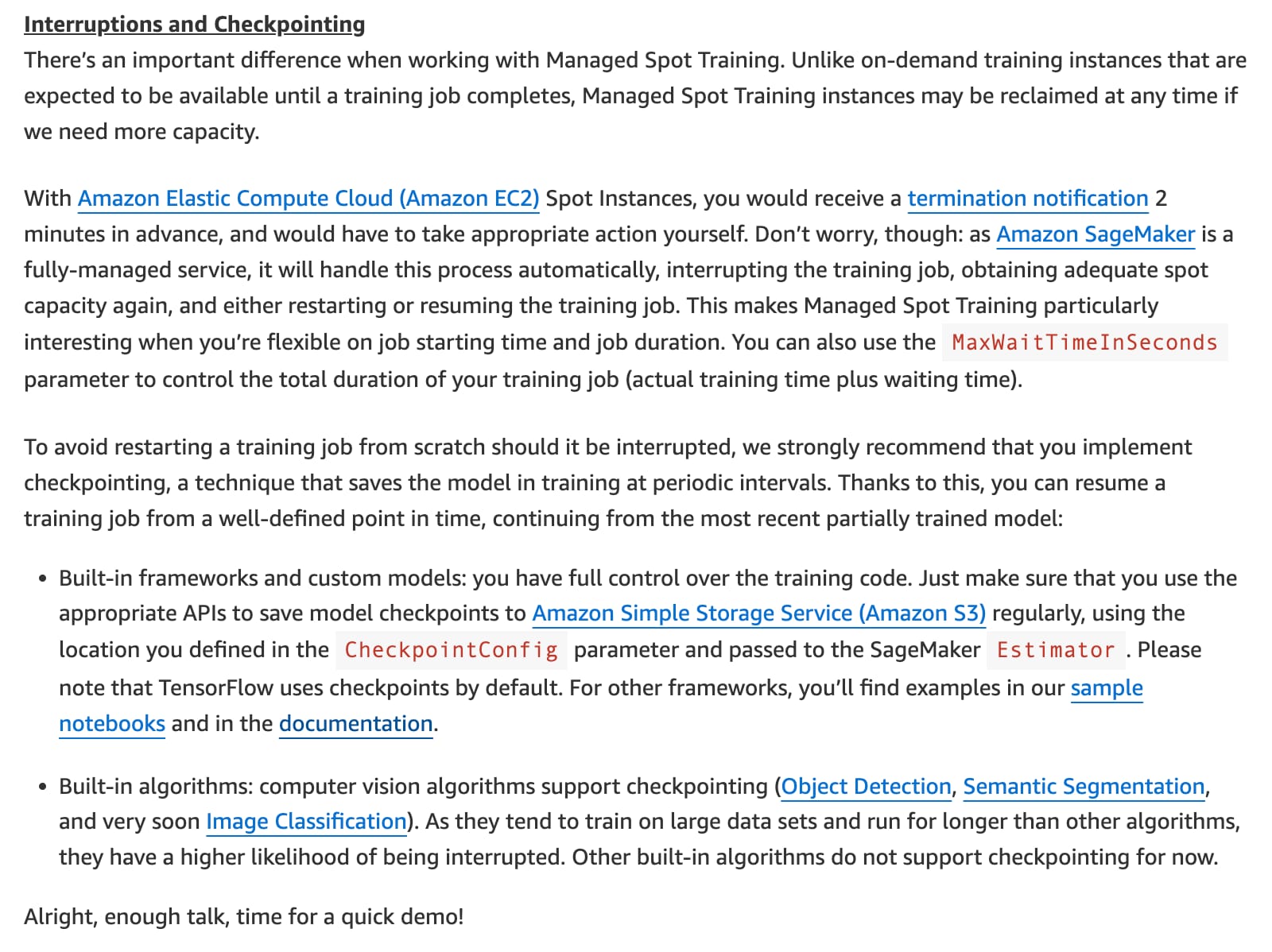
You are an ML engineer at a data analytics company tasked with training a deep learning model on a large, computationally intensive dataset. The training job can tolerate interruptions and is expected to run for several hours or even days, depending on the available compute resources. The company has a limited budget for cloud infrastructure, so you need to minimize costs as much as possible.
Which strategy is the MOST EFFECTIVE for your ML training job while minimizing cost and ensuring the job completes successfully?
 via -
via - Question 17 Single Choice
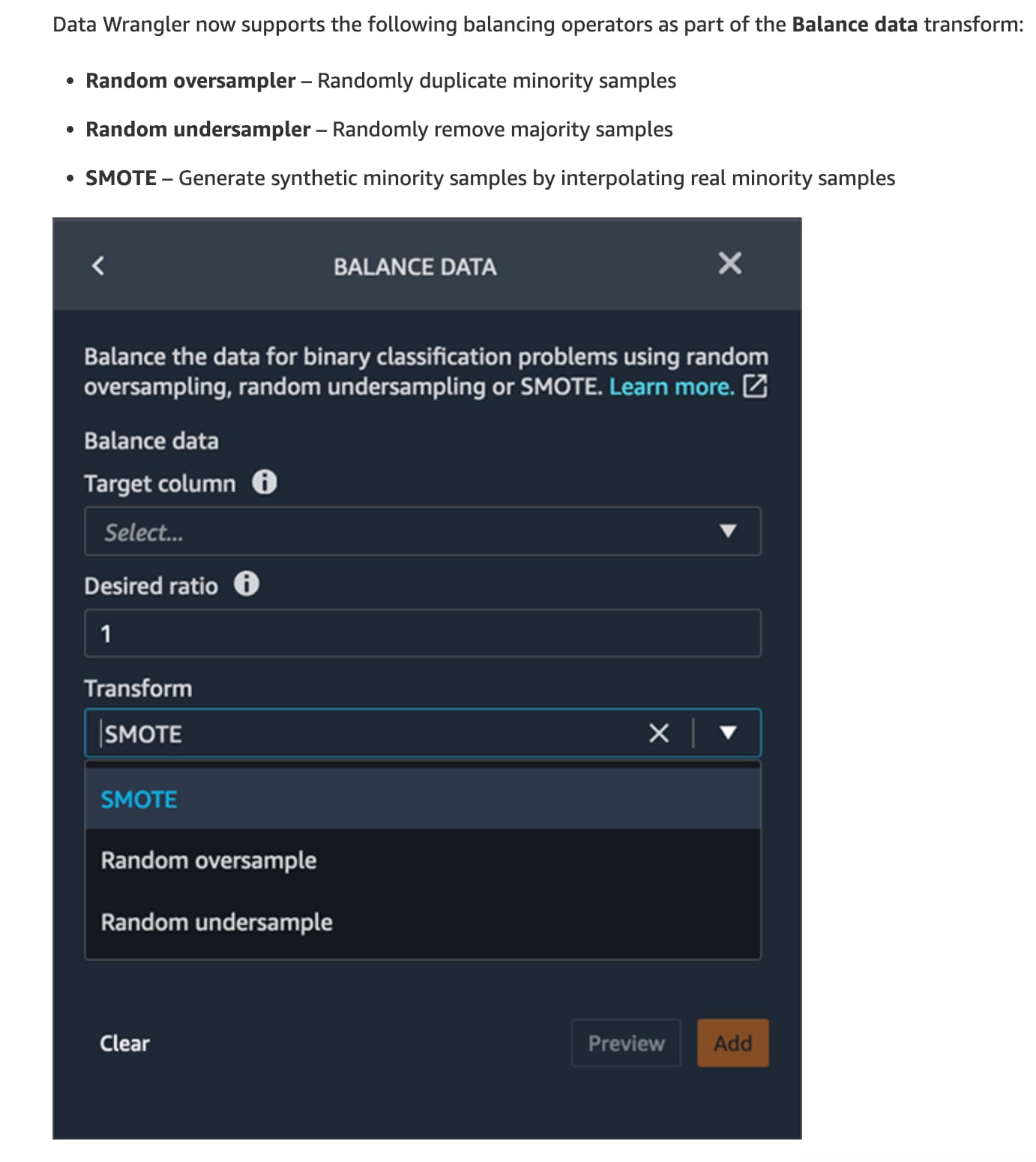
A healthcare company is building a predictive model to identify high-risk patients for hospital readmission. The dataset includes patient records such as demographic information, past diagnoses, and admission history. The data is stored in Amazon S3 and a relational database hosted on an on-premises PostgreSQL server. The dataset has a class imbalance issue where very few patients are flagged as high-risk, which affects the performance of the model. Additionally, the dataset contains both categorical features (e.g., "diagnosis type") and numerical features (e.g., "days in hospital"). The ML engineer must preprocess the data to resolve the class imbalance and ensure the dataset is ready for training, using a solution that requires minimal operational effort.
Which solution will meet these requirements?
 via -
via - Question 18 Single Choice
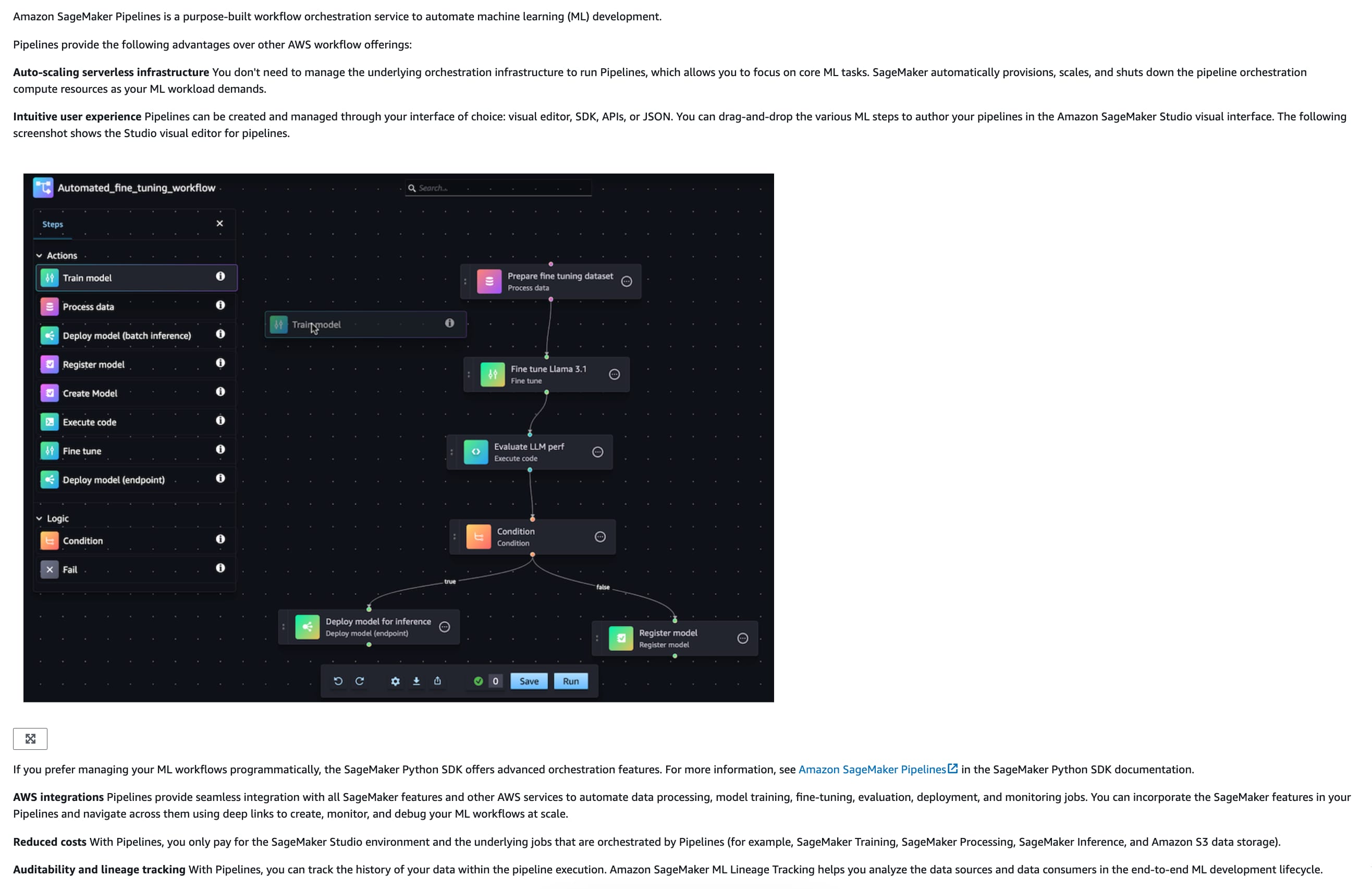
You are a machine learning engineer at a healthcare company responsible for developing and deploying an end-to-end ML workflow for predicting patient readmission rates. The workflow involves data preprocessing, model training, hyperparameter tuning, and deployment. Additionally, the solution must support regular retraining of the model as new data becomes available, with minimal manual intervention. You need to select the right solution to orchestrate this workflow efficiently while ensuring scalability, reliability, and ease of management.
Given these requirements, which of the following options is the MOST SUITABLE for orchestrating your ML workflow?
 via -
via - Question 19 Single Choice
You are a lead machine learning engineer at a growing tech startup that is developing a recommendation system for a mobile app. The recommendation engine must be able to scale quickly as the user base grows, remain cost-effective to align with the startup’s budget constraints, and be easy to maintain by a small team of engineers. The company has decided to use AWS for the ML infrastructure. Your goal is to design an infrastructure that meets these needs, ensuring that it can handle rapid scaling, remains within budget, and is simple to update and monitor.
Which combination of practices and AWS services is MOST LIKELY to result in a maintainable, scalable, and cost-effective ML infrastructure?
Question 20 Multiple Choice
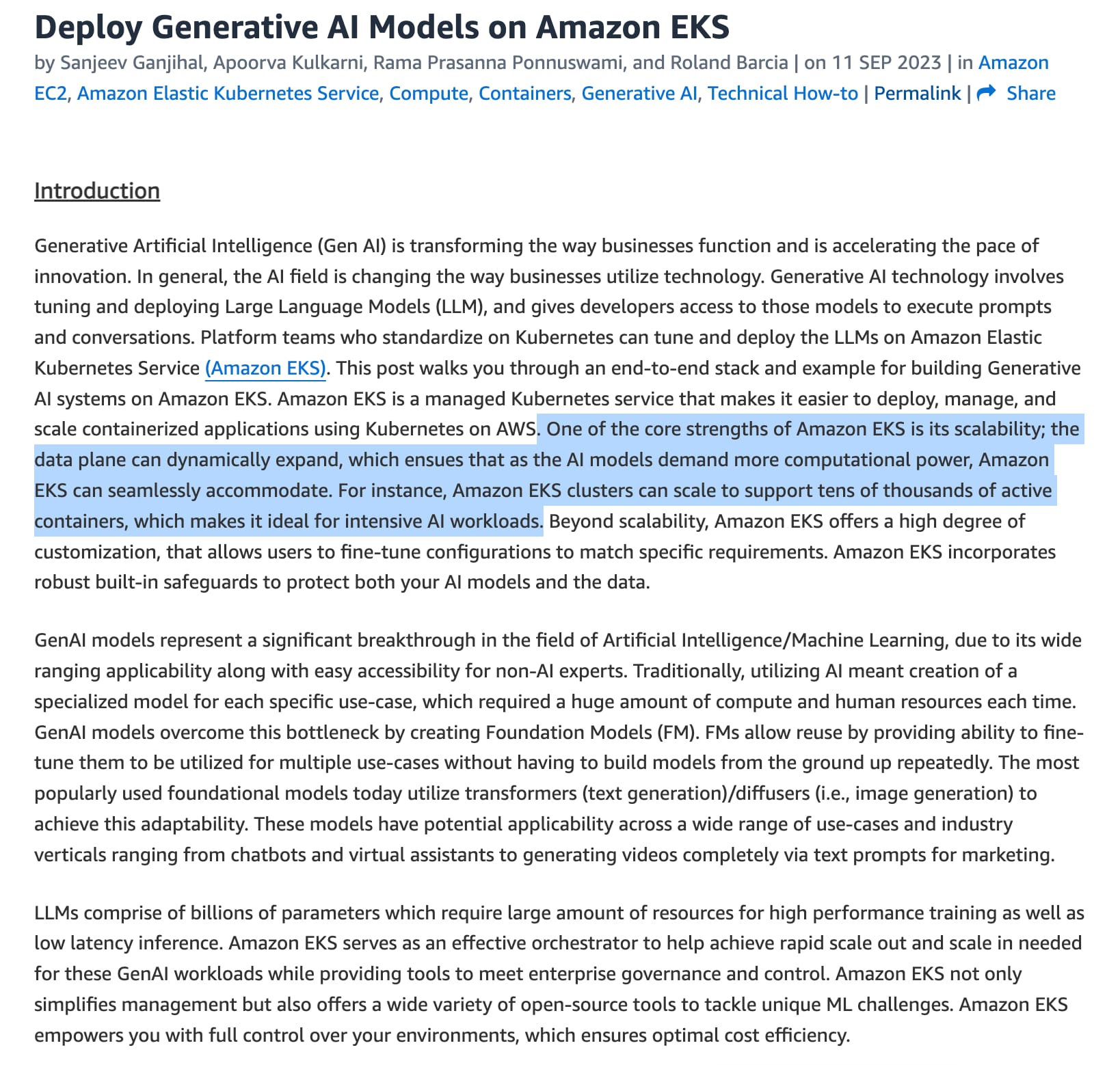
You are a Machine Learning Engineer working for a large retail company that has developed multiple machine learning models to improve various aspects of their business, including personalized recommendations, generative AI, and fraud detection. The models have different deployment requirements:
The recommendations models need to handle real-time inference with low latency.
The generative AI model requires high scalability to manage fluctuating loads.
The fraud detection model is a large model and needs to be integrated into serverless applications to minimize infrastructure management.
Which of the following deployment targets should you choose for the different machine learning models, given their specific requirements? (Select two)
 via -
via - Frequently Asked Questions
How realistic are the practice questions in the AWS Certified Machine Learning Engineer - Associate exam prep?
The practice questions closely mirror the style and complexity of the actual exam, allowing for effective simulation of the testing experience and preparation for the types of scenarios you may encounter.
How should I use the practice questions to prepare for the exam?
It's best to take practice questions in timed settings to mimic the real exam conditions. Also, review explanations for both correct and incorrect answers to reinforce your understanding of the material.
How many practice questions should I complete before taking the real exam?
While there's no set number, completing at least 70-80% of the available 715 practice questions can provide a strong foundation and help identify areas where you need further study.
Can I review my incorrect answers after taking a practice exam?
Yes, reviewing incorrect answers is crucial; it helps you understand your mistakes and clarify any concepts that you may not fully grasp, ultimately improving your preparedness for the real exam.
Is there a recommended order for tackling the practice questions?
You can start with general categories where you feel less confident, then gradually progress to more advanced questions. Mixing them in a way that simulates a real exam can also be beneficial.