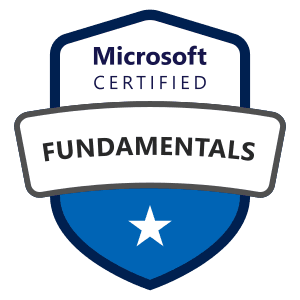

Microsoft Certified: Azure Data Fundamentals - (DP-900) Exam Questions

Preparing for the Microsoft Certified: Azure Data Fundamentals (DP-900) certification requires a solid understanding of core data concepts and the Azure data services that support them. This practice exam page is designed to equip candidates with the tools necessary for effective self-assessment and real question exposure. With a comprehensive set of 1,277 practice questions, this resource allows individuals to familiarize themselves with the examination format, topics, and the depth of knowledge required to succeed.
As you engage with this practice exam, you'll have the opportunity to evaluate your understanding of fundamental data concepts, relational and non-relational data, data ingestion and processing, and the basics of analytics. Each question is crafted to reflect the actual exam experience, providing insights into your strengths and areas that may require further study. By identifying your comfort levels with various topics, you can tailor your study plan more effectively, ensuring a focused approach as you work toward certification. This practice exam serves as a vital step in your preparation journey, enhancing your readiness for the real DP-900 exam while building confidence in your knowledge and skills.
Welcome to the listing page for real exam questions and answers for the Microsoft Certified: Azure Data Fundamentals - (DP-900) certification. Here, you will find a comprehensive collection of 1,277 practice questions designed to help you assess your knowledge and prepare for the exam. Each question reflects the types of content you might encounter in the actual test, offering you a practical way to gauge your readiness.
To make the most of this resource, navigate through the questions systematically, and identify areas where you may need further study. Consider engaging with the content actively—attempt to answer each question before checking the provided answers and explanations. This active learning approach will reinforce your understanding and help you retain information more effectively.
To enhance your preparation for the DP-900 exam, here are a few study tips:
1. **Establish a Study Schedule**: Allocate specific time slots for your preparation to ensure consistent learning without the rush. Breaking your study sessions into manageable chunks will help maintain focus and prevent burnout.
2. **Utilize Multiple Learning Resources**: Besides practicing questions, consider exploring Microsoft’s official documentation, video tutorials, and online courses. Diversifying your study materials can deepen your understanding of concepts.
3. **Engage in Community Discussion**: Join study groups or online forums where you can discuss topics with peers. Engaging in discussions allows you to clarify doubts and gain different perspectives on the material.
With these strategies, you'll be well on your way to successfully passing the DP-900 exam. Good luck!
Question 11 Single Choice

Question 12 Single Choice
Question 13 Single Choice
Question 14 Single Choice
Question 15 Single Choice
Question 16 Single Choice
Question 17 Single Choice
Question 18 Single Choice
What is the role of Azure Synapse Link in connecting operational databases to Synapse Analytics?
Question 19 Single Choice
Question 20 Single Choice
What is the concept of "data sprawl" and why is it a concern?
Frequently Asked Questions
How realistic are the practice questions for the Azure Data Fundamentals exam?
The practice questions closely mimic the format and difficulty level of the actual DP-900 exam, providing a realistic representation of what to expect on test day.
How should I use the practice questions to prepare for the exam?
Utilize the practice questions to identify your strengths and weaknesses in the material, and focus on reviewing concepts related to areas where you struggle to improve your overall understanding.
How many practice questions should I complete before taking the real exam?
Aim to complete as many practice questions as possible, ideally over 200, to gain confidence and ensure you have a well-rounded understanding of the topics covered in the exam.
Can I track my progress with the practice questions?
Yes, many practice exams offer features to track your progress, analyze your performance over time, and identify areas that require further study.
What is the best strategy for reviewing incorrect answers from practice questions?
Reviewing incorrect answers by understanding why each answer was wrong helps solidify your knowledge and should inform your future study focus.